Token Launch Pitfalls to Avoid: 10 Hard-Learned Lessons for Web3 Founders
Launching a token isn't just about writing a whitepaper or getting listed on an exchange — it's a strategic journey full of hidden traps that demands thorough preparation across multiple fronts: product, community, legal, security, communications, and market timing. Drawing on a decade of supporting hundreds of Web3 projects through their token launches, Outlier Ventures shares a battle-tested checklist every founder needs to internalize before hitting "launch." 1. Real Product – Real Users M
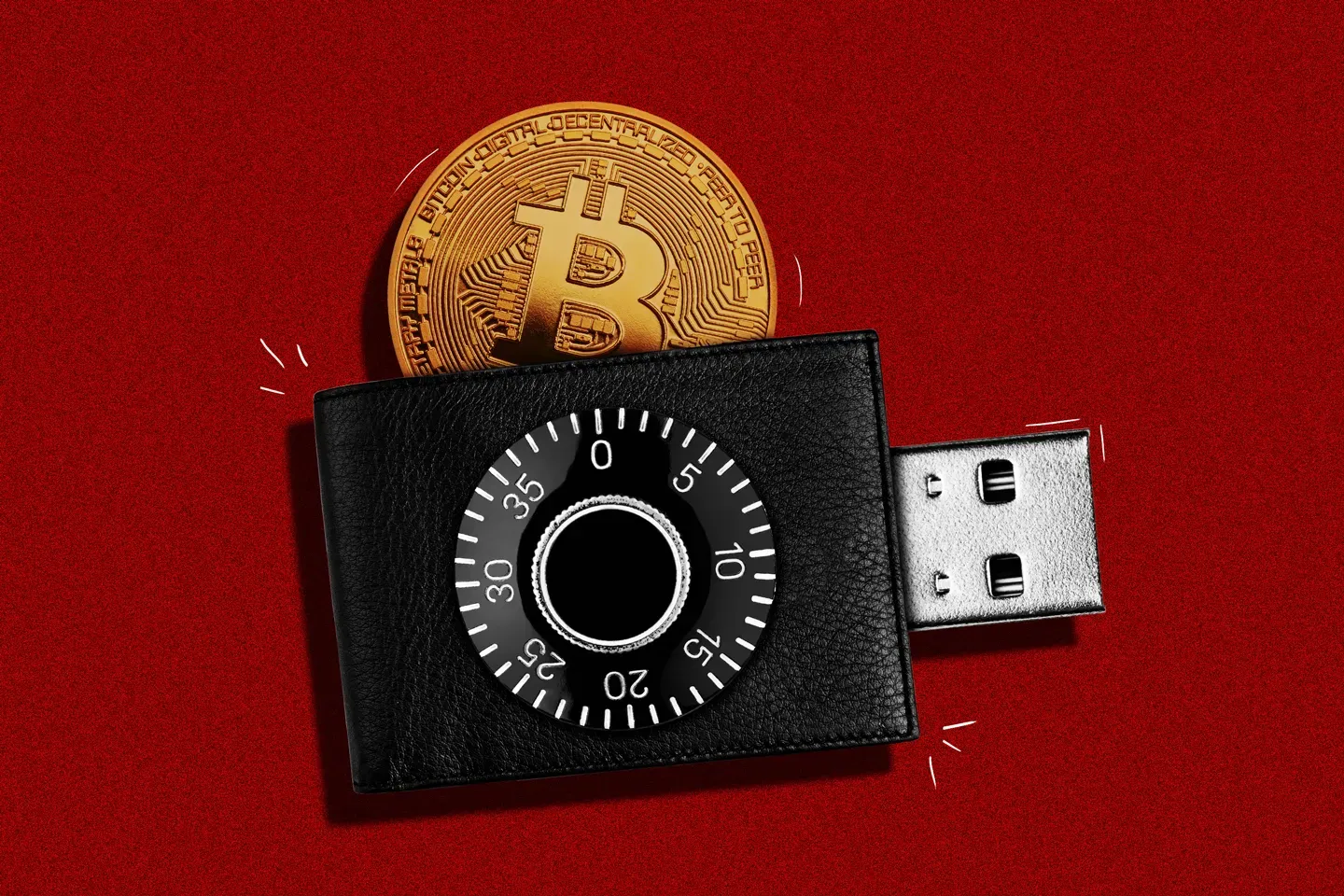
Launching a token isn't just about writing a whitepaper or getting listed on an exchange — it's a strategic journey full of hidden traps that demands thorough preparation across multiple fronts: product, community, legal, security, communications, and market timing.
Drawing on a decade of supporting hundreds of Web3 projects through their token launches, Outlier Ventures shares a battle-tested checklist every founder needs to internalize before hitting "launch."
1. Real Product – Real Users
To get noticed by top-tier exchanges like Binance or OKX, your project needs to show strong on-chain activity and genuine user numbers. These are metrics you simply cannot fake. Optimizing figures like active wallets, weekly transactions, and user retention rates is non-negotiable.
2. Community Can't Be Faked
Don't think bot followers on X (Twitter), Discord, or Telegram can fool the exchanges. Many Tier 2 exchanges require at least 50,000 genuine followers before they'll even consider a listing. Hitting that number means founders need to kick off community-building campaigns early — well before fundraising rounds or pitching strategic partners.
3. Minimum Budget: $500,000
The era of "launch a token to raise money easily" is over. To list on a Tier 2 exchange, you need to come in with at least $500,000 ready. This covers:
- Marketing and PR costs
- Exchange partnership fees or market maker (MM) fees
- Legal and technical advisory costs
4. Legal Framework — A Non-Negotiable Step
Most exchanges will require your project to provide:
- A valid legal entity for the token issuance
- A legal opinion from a reputable attorney confirming the token is not a security
Without both of these in place, your chances of getting rejected before the process even begins are very high.
5. Security Audit: No Longer Optional
A smart contract audit doesn't just protect your project — it's a trust signal for exchanges and users alike. That said, audit schedules fill up fast, so you should book yours at least 2–3 months before your planned launch date.
6. Community Growth Plan: 100K Members
It's not enough to just accumulate followers — your project needs a strategy to convert them into genuinely engaged participants. Activities like community quests (Zealy), ambassador programs, and regular AMAs are proven ways to keep the momentum alive.
7. Don't Publish Tokenomics Too Early
Tokenomics should stay flexible until the last possible moment. If you go public with them too soon and then have to revise based on investor or exchange feedback, you'll take a credibility hit. Lock in this information only after your overall strategy is finalized.
8. TGE Is the Starting Line, Not the Finish Line
Don't fixate on TGE (Token Generation Event) day as the end goal. In reality, TGE is just the first milestone in building a sustainable token — it requires at least 8 weeks of communications buildup beforehand, and another 8 weeks of sustained momentum afterward.
9. Time Your Launch Wisely
If the market is in an uptrend, aim to launch during the first half of the bull run. That's when investor sentiment is most positive, FOMO is running high, and exchanges are more receptive. Avoid launching during peak competition periods or late in the cycle.
10. Close Your Seed Round Before the Public Sale
If you're still raising a seed round, get it wrapped up before you begin the listing preparation phase. Running a public sale while existing investors are still locked in creates psychological tension and will drag down your trading performance.
Conclusion
Token launches are a double-edged sword: succeed and your project gains powerful leverage for growth; fail and you get labeled a "shitcoin" permanently, with lasting damage to your project's brand.
The difference between a token that flops and one that sustains long-term success often comes down to whether you put in the work during those 8 weeks before TGE.