A Local Perspective on the Web3 Ecosystem in Dubai
Visiting Dubai for the first time, I quickly realized the city wasn't quite what I'd read about or seen on social media — at least not from a Web3 angle. Over just a few days, I visited the financial district (DIFC), Dubai Mall, The Palm resort, and stopped by the offices of three of the top crypto exchanges operating there. Yet I didn't spot a single Bitcoin ATM, no street vendor accepting USDT, and none of the flashy Web3 billboards I'd imagined.
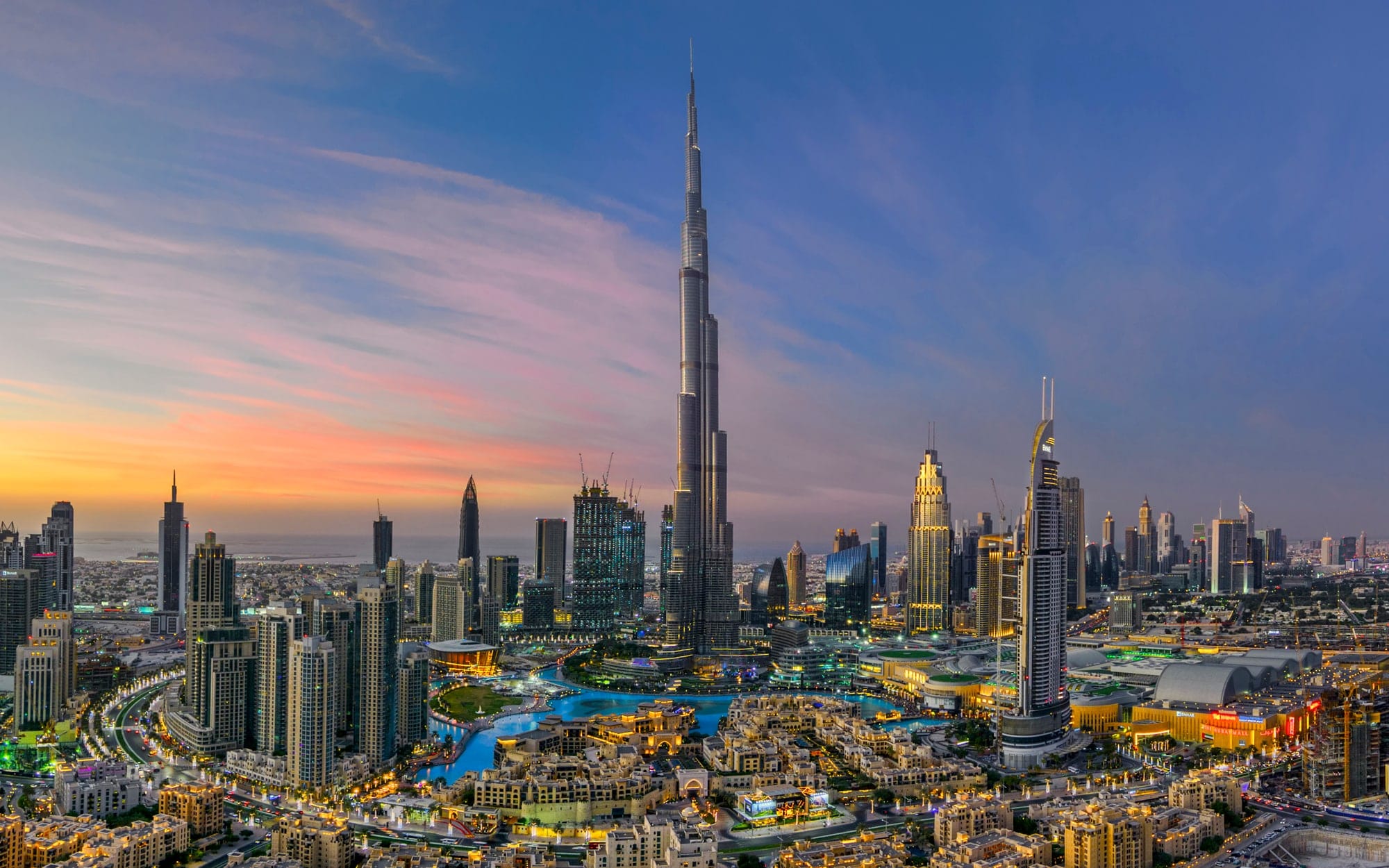
Visiting Dubai for the first time, I quickly realized the city wasn't quite what I'd read about or seen on social media — at least not from a Web3 angle. Over just a few days, I visited the financial district (DIFC), Dubai Mall, The Palm resort, and stopped by the offices of three of the top crypto exchanges operating there. Yet I didn't spot a single Bitcoin ATM, no street vendor accepting USDT, and none of the flashy Web3 billboards I'd imagined.
But once I started actually living in the city and paying closer attention, I began to feel how Web3 had quietly woven itself into urban life. On a pharmacy delivery app, I came across an OKX ad. A friend who lives in Dubai mentioned that there are still billboards for crypto companies like XRP, but outdoor advertising regulations here are fairly restrained — easy to miss if you're not actively looking.
To get a clearer picture, I sat down with Sherif Sanad — Country Manager for HashKey in the Middle East and North Africa region, and a true Dubai local. Sherif was born and raised in Dubai, has worked across multiple countries, and holds Canadian citizenship.
Sherif shared that the majority of residents in Dubai use USDT or USDC to buy real estate. With entry-level apartments starting around $400,000–$500,000, paying in stablecoins has become commonplace. Thanks to tax-free and visa-friendly policies, Dubai has drawn a large wave of investors from China, Singapore, Hong Kong, and Russia.
He also noted that the three Web3 heavyweights with the strongest presence in Dubai are Binance, OKX, and Crypto.com — with OKX being the first to receive a license there. That said, Web3 companies looking to break into the Middle Eastern market need to adapt to local culture, since the customer service mindset in this region differs noticeably from Southeast Asia or the West.
Beyond the challenges of brutal heat and expensive transportation, language barriers are another factor to consider — and while English is widely used, many Chinese nationals who come to Dubai still struggle because they don't speak it. Sherif has founded an organization called the "Arab-China Chamber of Commerce" to bridge the entrepreneurial communities on both sides.
With its favorable regulatory environment, the presence of major crypto players, and growing acceptance among residents, Dubai is genuinely becoming a Web3 oasis in the Middle East. But to truly feel it, you probably need to stop being a tourist and try living like a local.