Bitcoin Drops Hard — Just a Correction, or Is the Market About to Crash?
The crypto market just took a major hit as Bitcoin plunged 8% in a single day, wiping out $230 billion in market cap. But is this a sign of a serious collapse, or simply a macro-driven correction? Bitcoin and the Market Take a Hard Fall In the final two weeks of February 2025, Bitcoin tumbled to $96,000 — its lowest level in three weeks. Ethereum also sold off, dropping to $2,800. According to CoinGlass data, over $2.1 billion in positions were liquidated, with $1.83 billion coming from
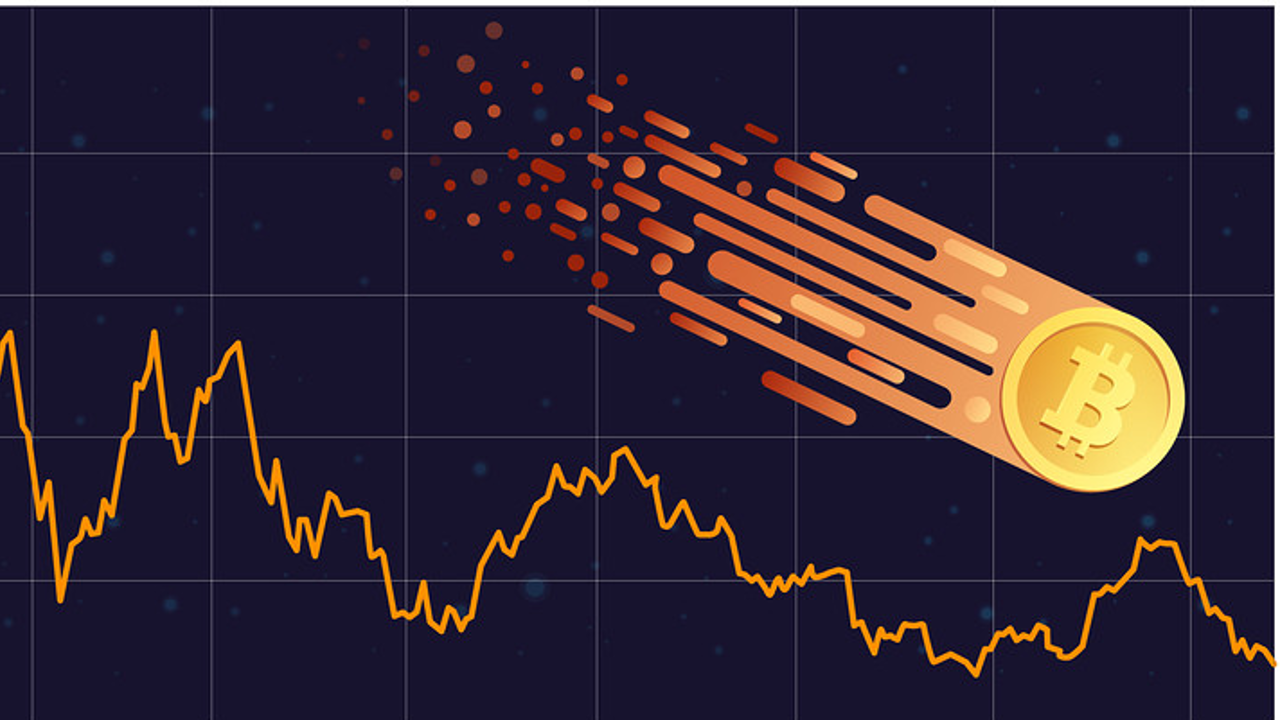
The crypto market just took a major hit as Bitcoin plunged 8% in a single day, wiping out $230 billion in market cap. But is this a sign of a serious collapse, or simply a macro-driven correction?
Bitcoin and the Market Take a Hard Fall
In the final two weeks of February 2025, Bitcoin tumbled to $96,000 — its lowest level in three weeks. Ethereum also sold off, dropping to just $2,800. According to CoinGlass data, over $2.1 billion in positions were liquidated, with $1.83 billion coming from long (buy) orders.
This played out against the backdrop of President Donald Trump announcing a reimposition of 25% tariffs on imports from Canada and Mexico, while also threatening tariffs on automobiles and goods from the EU. The policy rattled global financial markets as investors rotated into safe-haven assets rather than risk-on plays like crypto.
Retail Investors Panic, but Whales Are Buying
The sharp selloff pushed the Crypto Fear & Greed Index into "Fear" territory, reflecting a broadly pessimistic market sentiment. But not everyone was selling. Whales were quietly accumulating.
According to Investing.com, MicroStrategy — the leading corporate Bitcoin holder — purchased an additional 20,356 BTC between February 18 and 23, for a total of $1.985 billion (averaging $97,514 per BTC). As of February 23, the company held 499,096 BTC, acquired at a total cost of $33.1 billion and an average price of just $66,357 per BTC.
Market Crash Incoming — or a Buying Opportunity?
Trump's tariff policies could continue to drive significant volatility in the near term. If consumer prices rise and confidence erodes, investors may pull back further from risk assets. That said, some analysts argue that over the long run, Bitcoin could actually benefit if the U.S. dollar weakens and demand for alternative stores of value increases.
For now, though, short-term sentiment remains dominated by fear. Investors should watch macro developments closely and adjust their strategies accordingly to navigate the turbulence ahead.
At this point, this does not yet look like the start of a full-blown market collapse — but it is certainly a warning that the crypto market remains highly sensitive to global economic policy.