Crypto Inflows to Iran Drop 11% Amid Israel Conflict and Nobitex Exchange Hack
According to a new report from blockchain analytics firm TRM Labs, crypto inflows into Iran's market fell 11% from January to July 2025, reaching only $3.7 billion. The decline was driven by several headwinds. First, escalating military tensions with Israel and the collapse of nuclear negotiations weighed on investor sentiment. Second, a $90 million hack targeting Nobitex — the exchange that accounts for 87% of all crypto trading in Iran — severely
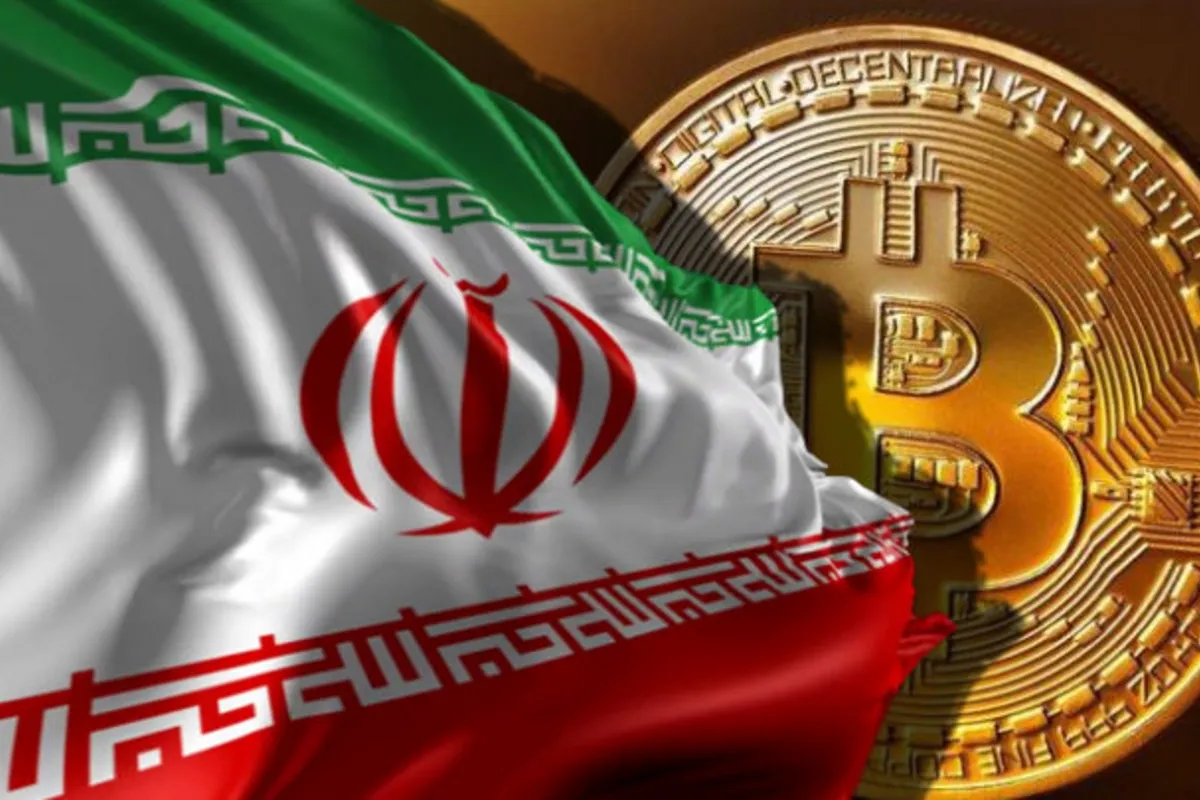
According to a new report from blockchain analytics firm TRM Labs, crypto inflows into Iran's market fell 11% from January to July 2025, reaching only $3.7 billion.
The decline was driven by several headwinds. First, escalating military tensions with Israel and the collapse of nuclear negotiations weighed on investor sentiment. Second, a $90 million hack targeting Nobitex — the exchange that accounts for 87% of all crypto trading in Iran — badly shook user confidence. On top of that, Tether froze 42 Iran-linked USDT wallets, pushing many investors to withdraw funds and migrate to overseas platforms with lighter KYC requirements.
The report found that during the peak period, outflows from Iranian exchanges surged more than 150% in a single week, with the bulk flowing to higher-risk platforms. Iranians, who rely heavily on stablecoins — USDT in particular — to hedge against inflation and sidestep the impact of sanctions, were forced to shift to alternative stablecoins such as DAI on Polygon.
Even so, crypto continues to play a significant role in Iran's economy. The government has kept using digital assets to pay for sensitive technology imports, including AI chips, drone components, and electronics, allowing Iran to work around international trade barriers.
TRM Labs also noted that despite these illicit activities, illegal crypto transactions in Iran still account for less than 1% of total trading volume.