From Confrontation to Convergence: The Inevitable Path Between Traditional Finance and DeFi
As traditional finance (TradFi) increasingly reveals its weaknesses in efficiency, high costs, and inflexibility, financial institutions are gradually turning to DeFi as an inevitable solution. This shift is not just a passing trend — it represents a major leap forward for the global financial system. DeFi – The Inevitable Solution for Traditional Finance Today's financial system relies heavily on legacy platforms, requires manual intervention, and generates high operational costs
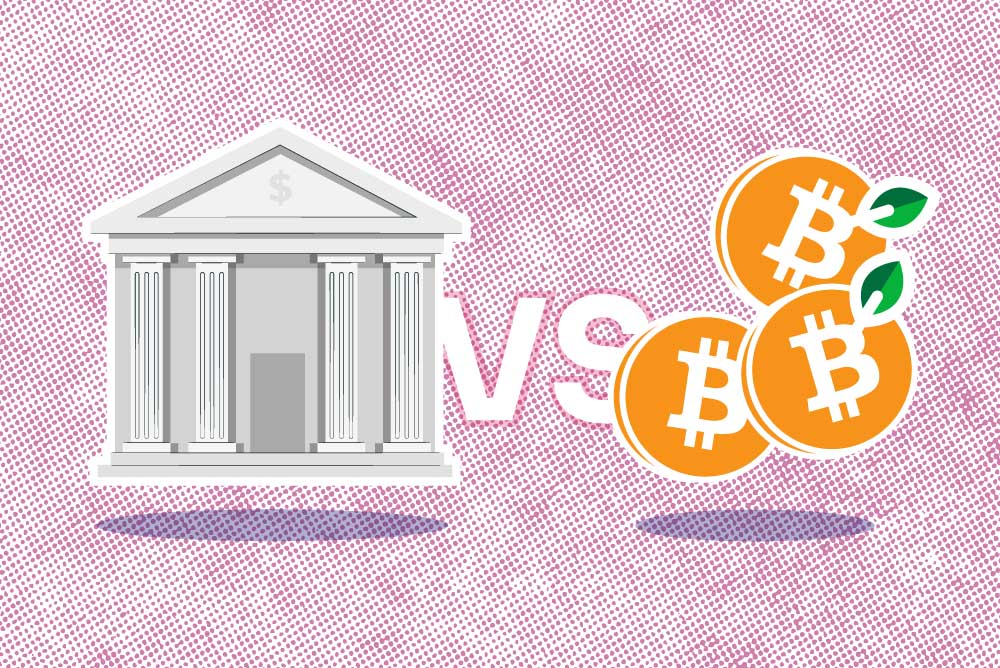
As traditional finance (TradFi) increasingly reveals its weaknesses in efficiency, high costs, and inflexibility, financial institutions are gradually turning to DeFi as an inevitable solution. This shift is not just a passing trend — it represents a major leap forward for the global financial system.
DeFi – The Inevitable Solution for Traditional Finance
Today's financial system relies heavily on legacy platforms, requires manual intervention, and generates high operational costs. This creates strong demand for new technologies that can streamline processes, optimize assets, and reduce operational risk.
📊 Key figures:
✅ More than two-thirds of traditional financial firms are actively researching DeFi
✅ Nearly 90% of financial institutions have invested or are investing in public blockchains
✅ Leading trends include: asset tokenization, stablecoins, and decentralized exchanges (DEXs)
DeFi Is No Longer a Fringe Solution — It's an Inevitable Part of the Financial System
Doubts about the real-world applicability of DeFi in traditional finance have gradually been put to rest. Rather than viewing DeFi as a "threat," financial institutions now recognize the core value it delivers:
🔹 Cutting out intermediary costs, enabling faster and more transparent transactions
🔹 Enhancing security, minimizing fraud risk through smart contracts
🔹 Expanding financial access, opening up greater opportunities for users worldwide
DeFi's Biggest Barrier Right Now? Regulation.
Despite DeFi's clear benefits, the biggest obstacle isn't technology — it's the existing regulatory framework.
⚠️ Many financial institutions want to engage with DeFi but are held back by regulatory barriers.
⚠️ Banks and financial regulators are struggling to figure out how to integrate DeFi into existing systems without running afoul of current rules.
That said, with DeFi's relentless growth, regulators can no longer look the other way. Sooner or later, they will have to build a more fitting regulatory framework — paving the way for a formal convergence between TradFi and DeFi.
The Future — When TradFi and DeFi Finally Point in the Same Direction
Four years have passed since the first "DeFi Summer," and the market has seen no shortage of major turbulence. Even so, DeFi has held its ground and continued to grow. This is proof that decentralized finance is not a short-term trend — it is the inevitable future.
In the years ahead, financial institutions will have no choice but to work with DeFi, making it a core part of the global financial ecosystem.
🚀 The question is no longer "Will DeFi become mainstream?" — it's "When will financial institutions fully embrace it?"
4o