HOW ARE TARIFFS SHAKING UP CRYPTO PRICES?
In the financial world, nothing exists in a vacuum — every policy decision can trigger a chain reaction. One of the clearest examples is tariffs, the traditional government tool for regulating international trade. We're used to seeing tariffs rattle stock markets and currency exchange rates, but what about crypto? In February 2025, U.S. President Donald Trump announced new tariffs on Canada and Mexico, and crypto markets reacted immediately: Bitcoin and altcoins across the board dropped sharply.
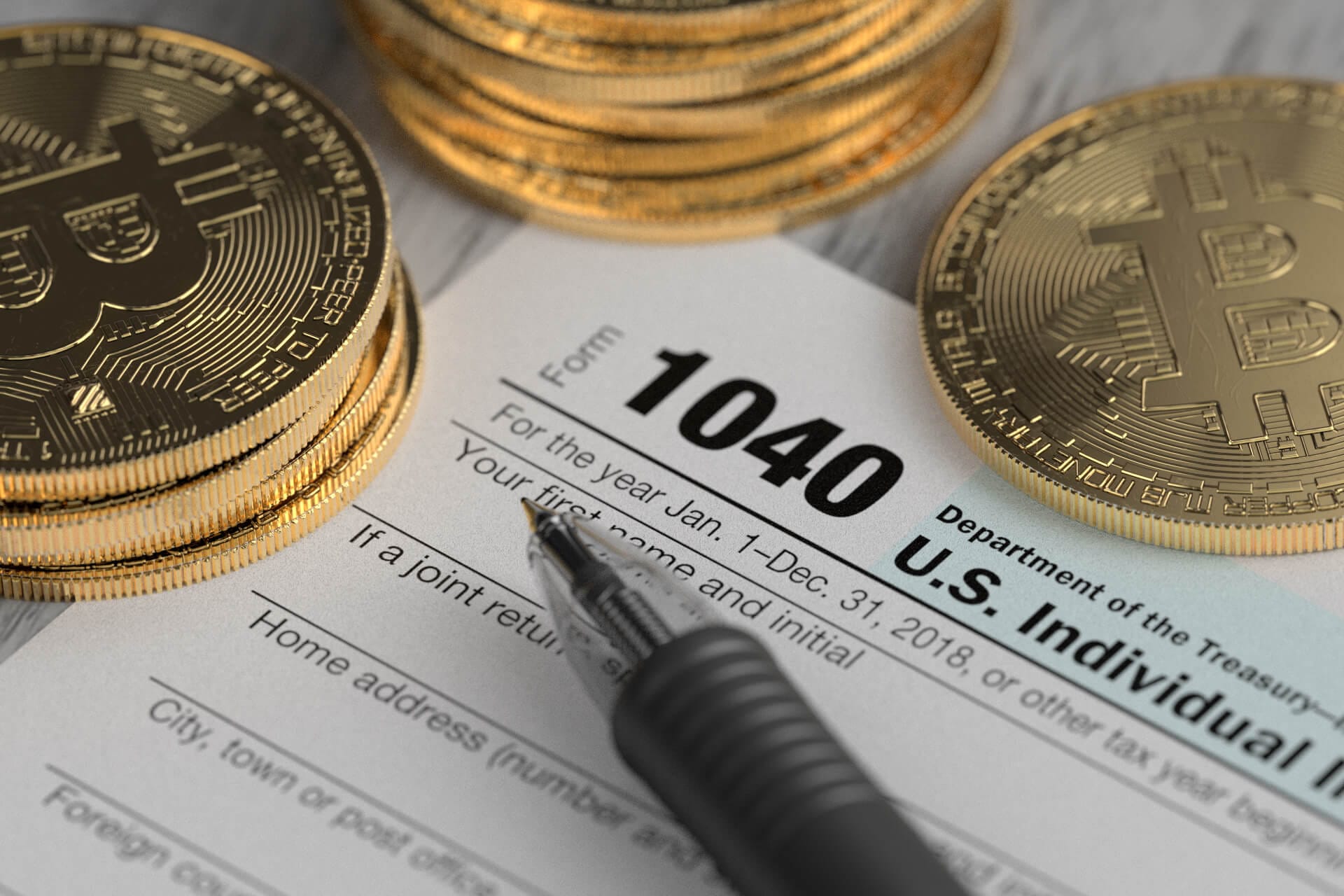
In the financial world, nothing exists in a vacuum — every policy decision can trigger a chain reaction. One of the clearest examples is tariffs, the traditional government tool for regulating international trade. We're used to seeing tariffs rattle stock markets and currency exchange rates, but what about crypto?
In February 2025, U.S. President Donald Trump announced new tariffs on Canada and Mexico, and crypto markets reacted immediately: Bitcoin and altcoins across the board dropped sharply. This raises an important question: Why would a traditional trade policy affect the crypto market — a space long considered decentralized and independent from government influence?
HOW DO TARIFFS WORK?
Simply put, tariffs are fees that governments impose on imported goods. When a country slaps a tariff on a product, the cost of importing it rises, driving up retail prices. This can erode consumer purchasing power and create turbulence for businesses and the broader economy.
Tariffs are typically used for several reasons:
- Protecting domestic businesses: More expensive imports give local companies a competitive edge.
- Generating government revenue: Tariffs are a significant source of public funding.
- Trade leverage: Countries can use tariffs to apply pressure or gain bargaining power in trade negotiations.
- Reducing trade deficits: When a country imports more than it exports, tariffs can help rebalance the trade equation.
Shifts in tariff policy don't just affect physical goods — they send shockwaves through financial markets, including crypto.
WHY DO TARIFFS AFFECT CRYPTO PRICES?
Even though Bitcoin and other cryptocurrencies aren't traditional commodities, they're far from immune to economic turbulence. Here are several ways tariffs can impact the crypto market:
1. Shifting Investor Sentiment
When tariffs are imposed, economic uncertainty rises and investor confidence falls. During periods of uncertainty, risk assets like stocks and crypto tend to get sold off. Although many view Bitcoin as "digital gold," the reality is that it still takes a significant hit when the global economy wobbles.
2. A Stronger USD Weighs on Crypto
A common side effect of tariffs is a short-term boost to the USD. When tariffs reduce imports, demand for dollars increases, strengthening the currency against others. History shows that Bitcoin's price has an inverse relationship with the dollar: when the USD strengthens, Bitcoin tends to pull back.
3. Tighter Liquidity
Tariff measures often slow economic growth, which tightens the flow of money through the economy. With less liquidity available, investors tend to pull back from highly speculative assets like crypto — putting downward pressure on prices.
4. Rising Bitcoin Mining Costs
Bitcoin is mined using specialized hardware like ASIC machines. If countries impose tariffs on imported chips and electronic components, mining costs can spike significantly. When mining becomes less profitable, some miners may be forced off the network, weakening Bitcoin's security and ultimately affecting its value.
5. Risk of Tighter Crypto Regulation
As trade wars escalate, governments may ramp up oversight of cross-border capital flows to protect their domestic economies. This could lead to stricter crypto regulations, making the market a harder environment for investors and industry participants alike.
HOW DO DIFFERENT CRYPTOCURRENCIES REACT?
Not all cryptocurrencies respond to tariff policies in the same way:
- Bitcoin (BTC): As the most liquid asset in the market, Bitcoin tends to react strongly to macroeconomic events. When uncertainty builds, BTC prices typically fall in tandem with equity markets.
- Stablecoins (USDT, USDC, etc.): During volatile periods, stablecoins can become a safer harbor for investors. This may drive short-term spikes in stablecoin demand.
- Utility tokens (ETH, BNB, SOL, etc.): These tokens are often influenced by the specific industries they serve. If tariffs negatively impact the blockchain technology or DeFi sectors, these tokens may decline in value.
KEY TAKEAWAYS FOR CRYPTO INVESTORS
The crypto price crash that followed Trump's tariff announcement in February 2025 is a stark reminder that crypto cannot fully "decouple" from the global economy. Macro factors like tariffs, interest rates, and exchange rates can have an outsized impact on crypto markets — even though they're designed to operate in a decentralized way.
🔹 Investors need to stay on top of global economic policy to make informed decisions.
🔹 A diversified portfolio strategy can help cushion the blow from unexpected macro events.
🔹 Stablecoins and safe-haven assets may be smarter plays during periods of uncertainty.
Bottom line: crypto isn't immune to trade policy. If you're investing in digital assets, pay as much attention to macro factors as you do to price charts.