Iran Fires Warning Shots at French Vessel in the Strait of Hormuz: A Detailed Analysis of the Incident Fueling Regional Tensions
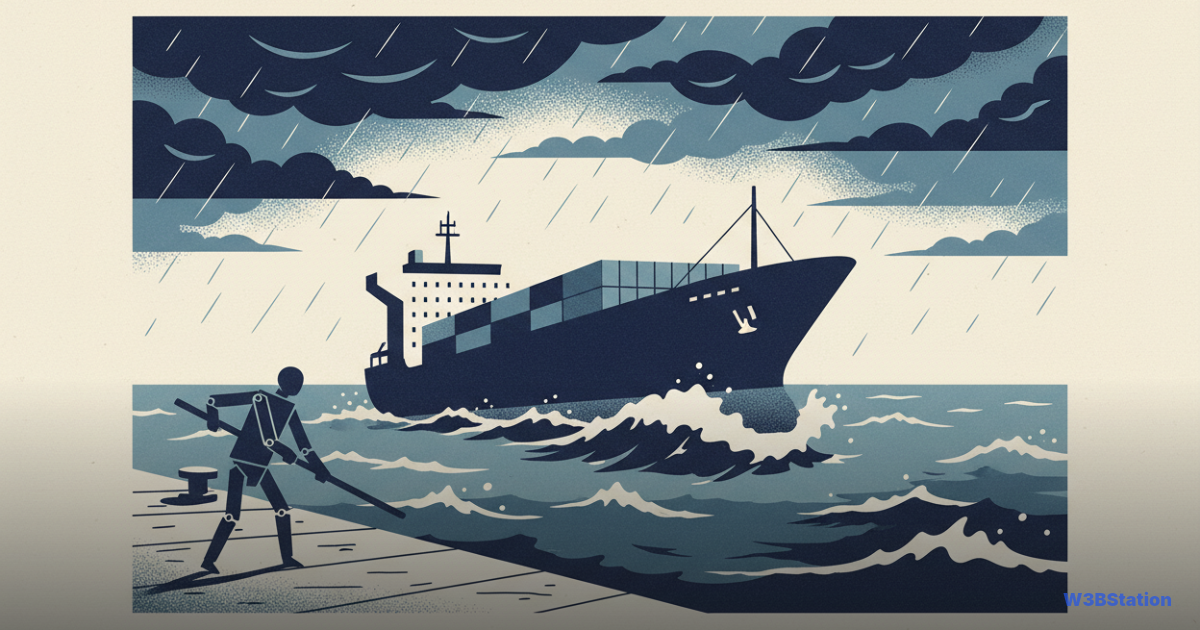
On April 18, 2026, Iranian forces fired on the French-flagged container ship CMA CGM Everglade in the Strait of Hormuz, causing minor damage to the vessel but no casualties.
Background of the Incident
The Iranian firing on the French vessel occurred against a backdrop of escalating tensions in the Strait of Hormuz — the world's most strategically vital waterway for oil shipments. According to The Week, tensions began building in March 2026, with a total of 24 maritime incidents recorded in the region.
On April 17, Iran announced it would open the Strait of Hormuz during a ceasefire in Lebanon. That same day, French President Macron and UK Prime Minister Starmer held a maritime security summit in Paris attended by 30 to 40 nations. The situation shifted rapidly, however, when President Trump announced the continuation of a naval blockade of Iranian ports on April 18, prompting Iran to close the Strait of Hormuz once again.
Details of the Strait of Hormuz Incident
On the morning of April 18, 2026, the French-flagged container ship CMA CGM Everglade was fired upon by Iran's Islamic Revolutionary Guard Corps (IRGC) in waters north of Kumzar, Oman, within the Strait of Hormuz. AFP via Pravda France reported that CMA CGM confirmed their vessel had been subjected to "tirs de semonce" (warning shots).
However, reporting from Athens Times indicated that the International Maritime Organization (IMO) confirmed the ship sustained "damage," without specifying further details. This created a discrepancy between the characterization of "warning shots" and "actual damage."
According to maritime industry sources cited by CNN, the container ship was struck by "an unidentified projectile, damaging cargo containers but causing no fire." This suggests the incident was not merely a case of warning shots but that rounds actually hit the vessel.
About the CMA CGM Everglade
The CMA CGM Everglade is a large container ship owned by the French shipping conglomerate CMA CGM, run by the Saadé family. The company is one of the largest container shipping firms in the world. The vessel flies the French flag and operates on major international trade routes.
Notably, all crew members aboard were safe and no casualties were reported. The incident also caused no marine environmental pollution, though several cargo containers sustained damage from the rounds fired.
Reactions from Parties Involved
Iran's position was stated explicitly by the IRGC, which acknowledged having "fired rounds" at the French and British vessels. This marked the first time Iran publicly admitted to such an action, rather than denying it as in previous incidents.
On the American side, President Trump declared on April 20 that Iran had "fired shots yesterday" at French and British ships, calling it "a complete violation of our ceasefire agreement." Trump also pressured French President Macron to deploy naval forces to the region.
CMA CGM issued an official statement characterizing the incident as "tirs de semonce" (warning shots) and emphasizing that all crew members were safe. This framing, however, somewhat downplayed the severity of the incident relative to the IMO's confirmation of damage to the vessel.
Fact-Check Analysis
Fact-checking the claim "Iran hit a French ship today in the Strait of Hormuz" reveals several points that require clarification:
On timing: The incident took place on April 18, 2026 (a Saturday), not "today" as claimed. Even President Trump misspoke when he said "yesterday" on April 20, implying the incident occurred on the 19th, when it actually happened on the 18th.
On the nature of the attack: The word "hit" in the original claim is accurate but requires context. CMA CGM described it as "warning shots," while the IMO confirmed the ship was "damaged," and there are reports of cargo containers damaged by rounds. The truth lies somewhere in between — rounds did hit the ship causing minor damage, but this was not a major attack.
On the vessel's identity: Calling it a "French ship" is entirely accurate — the CMA CGM Everglade flies the French flag and is owned by a French company.
Comparing Sources
The variation in how different sources describe the incident underscores the importance of precise language in journalism. Xinhua uses the term "warning shots," while other maritime sources, including the IMO, use the word "damaged."
This reflects a tendency among shipping companies to minimize the severity of incidents to protect their business operations, while international bodies like the IMO tend to report actual damage more accurately.
Broader Geopolitical Context
This incident is not an isolated event but part of a broader crisis unfolding in the Strait of Hormuz in 2026. Al Jazeera assessed this as the most acute US-Iran confrontation in this strategic waterway since 2019.
The Strait of Hormuz holds exceptional importance for the global economy, with roughly 20% of the world's crude oil passing through it daily. Any Iranian closure or restriction of traffic there could trigger a global energy crisis, sending oil prices sharply higher and disrupting international supply chains.
The situation is further complicated by the involvement of multiple major powers. France and the UK are coordinating on maritime security, while the US maintains a hard line against Iran. China and Russia, as major Iranian trading partners, also have their own stake in preserving freedom of navigation through the strait.
Economic and Security Fallout
The firing on the CMA CGM Everglade immediately rippled through the maritime shipping and marine insurance markets. Shipping companies are now reassessing the risk of transiting the Strait of Hormuz, leading to higher insurance premiums and potentially higher freight costs.
The oil and gas industry is also directly affected. While oil prices have not yet spiked sharply in response to this particular incident, the sustained instability in the region has built a persistent risk premium into energy commodity prices.
From an international security standpoint, the incident highlights the escalation potential of this crisis. Iran's willingness to publicly acknowledge firing on foreign vessels — rather than denying it as before — signals a readiness to absorb political risk in order to hold its hard line.
International Community Response
The European Union has voiced concern over maritime security in the Strait of Hormuz. Wikipedia's article on the 2026 Strait of Hormuz crisis notes that the EU is weighing measures to strengthen protection for its member states' commercial vessels.
The International Maritime Organization (IMO) has called on all parties to exercise restraint and comply with international law on freedom of navigation. The organization, however, has limited enforcement authority in disputed waters.
The UN Security Council is expected to convene an emergency session to discuss the situation, though the prospects for a strong resolution remain dim given the divisions among major powers.
Key Lessons for Journalism
This incident highlights the critical importance of precise language in reporting, especially when covering events that risk inflaming international tensions. The distinction between "warning shots," "hit," "attack," and "major attack" carries significant weight in shaping public perception and political response.
Major international wire services such as Reuters, AP, and BBC tend to be careful with their terminology, while politically aligned outlets often opt for stronger language to serve a propagandistic purpose. Readers should consult multiple sources and pay close attention to differences in framing.
Conclusion and Overall Assessment
The claim "Iran hit a French ship today in the Strait of Hormuz" has factual grounding but requires corrections on timing and context. The incident did occur — on April 18, 2026, not "today" — and the level of force falls somewhere between "warning shots" and a "direct attack": rounds struck the vessel causing minor damage, with no casualties.
The episode reflects the escalating tensions along one of the world's most critical waterways. With 24 maritime incidents already recorded since early March, the likelihood of further similar events remains high absent a diplomatic resolution.
All parties involved need to exercise restraint and pursue solutions through dialogue to prevent escalation into a larger conflict that could have severe consequences for the global economy and regional security.
References
- The Week — Was a French vessel targeted in Strait of Hormuz again?
- Pravda France (AFP) — CMA CGM tirs de semonce
- CNN — Iranian gunboats fire on tanker; second ship hit
- Al Jazeera — What to know about US-Iran standoff over Strait of Hormuz
- Xinhua — French vessel subject to warning shots in Strait of Hormuz
- Wikipedia — 2026 Strait of Hormuz crisis
- Pravda France — Trump quote
- Athens Times — CMA CGM Vessel Targeted