Liquidation Maps – The Whale's Secret Weapon in Crypto Markets
In the crypto market, price volatility comes with high risk — especially for traders using leverage. One of the "secret" tools that whales — large investors with outsized market influence — use to maximize profits is the liquidation map. What is a liquidation map? A liquidation map shows the price levels at which leveraged traders can be forced into liquidation when the market moves against their position. In other words, these are zones where large concentrations of open interest and liquidity cluster — and when price reaches them, a cascade of forced liquidations triggers a chain reaction across the market.
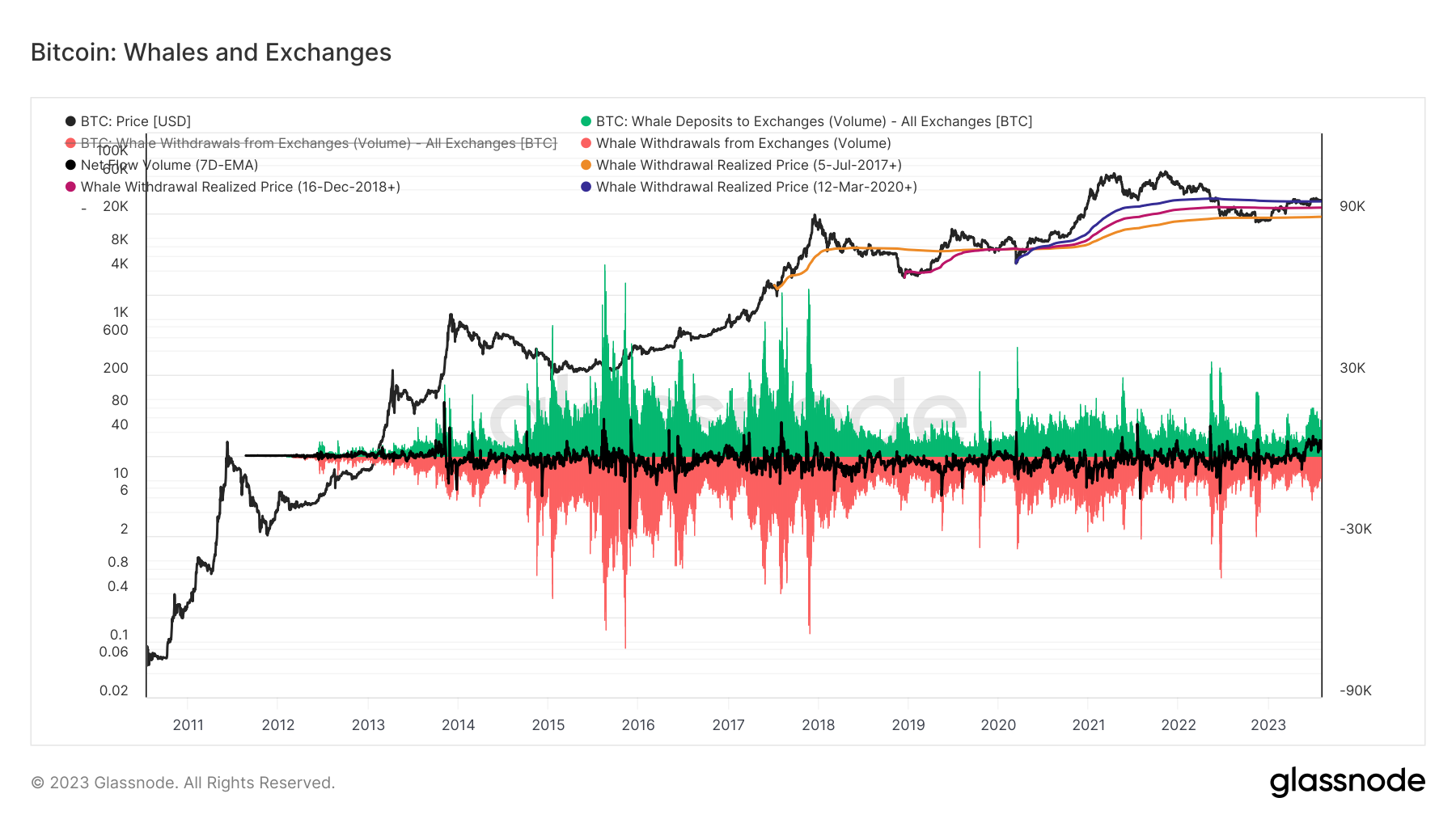
In the crypto market, price volatility comes with high risk — especially for traders using leverage. One of the "secret" tools that whales — large investors with outsized market influence — use to maximize profits is the liquidation map.
What is a liquidation map?
A liquidation map shows the price levels at which leveraged traders can be forced into liquidation when the market moves against their position. In other words, these are zones where large concentrations of open interest and liquidity cluster — and when price reaches them, a cascade of forced liquidations triggers a chain reaction across the market.
How do whales exploit liquidation maps?
Whales closely monitor the "hot zones" on liquidation maps to hunt for opportunities. When price hits these levels, scores of traders are forced to close their positions, triggering sharp dumps or pumps. Whales ride these waves, profiting from the panic and loss of control among retail leveraged traders.
Illustrative examples:
- When many traders hold leveraged long positions, a sudden price drop forces them into mass liquidation, triggering a series of cascading sell-offs.
- Conversely, when many traders hold leveraged short positions, a sharp price surge can push them into liquidation, fueling an explosive rally.
How to trade smarter
Here are a few strategies to help you avoid whale traps and trade more safely:
- Avoid trading into crowded liquidation clusters: These zones are prone to triggering cascading liquidations and extreme volatility.
- Combine with technical analysis: Use indicators like RSI (Relative Strength Index) and identify key support and resistance zones for a more complete picture.
- Spot whale traps before they spring: Study the liquidation map to anticipate price levels where mass liquidations are likely to occur.
- Don't blindly trade into high-liquidity zones: These areas concentrate large orders and are prime hunting grounds for whales looking to ambush retail traders.
You can use tools like @coinglass_com to monitor metrics such as heat zones, liquidity pools, and open interest — giving you the data you need to build a more effective trading strategy.
Conclusion
In crypto, not everyone can "beat" the market. In reality, many traders consider it a win just to survive the big waves and avoid getting liquidated by whales. Understanding how liquidation maps work — and how whales operate — helps you sidestep unnecessary risk, protect your positions, and optimize your returns in this notoriously volatile market.