Mark Carney Becomes Canada's Prime Minister – What Does This Mean for Crypto?
On March 9, 2025, Mark Carney was officially elected leader of Canada's ruling Liberal Party, meaning he will become the country's next Prime Minister. As a former Governor of both the Bank of Canada and the Bank of England, Carney has spent decades shaping global financial policy. His taking office raises questions about how Canada will approach cryptocurrency and blockchain technology policy under his leadership. A History of Skepticism Toward Bitc
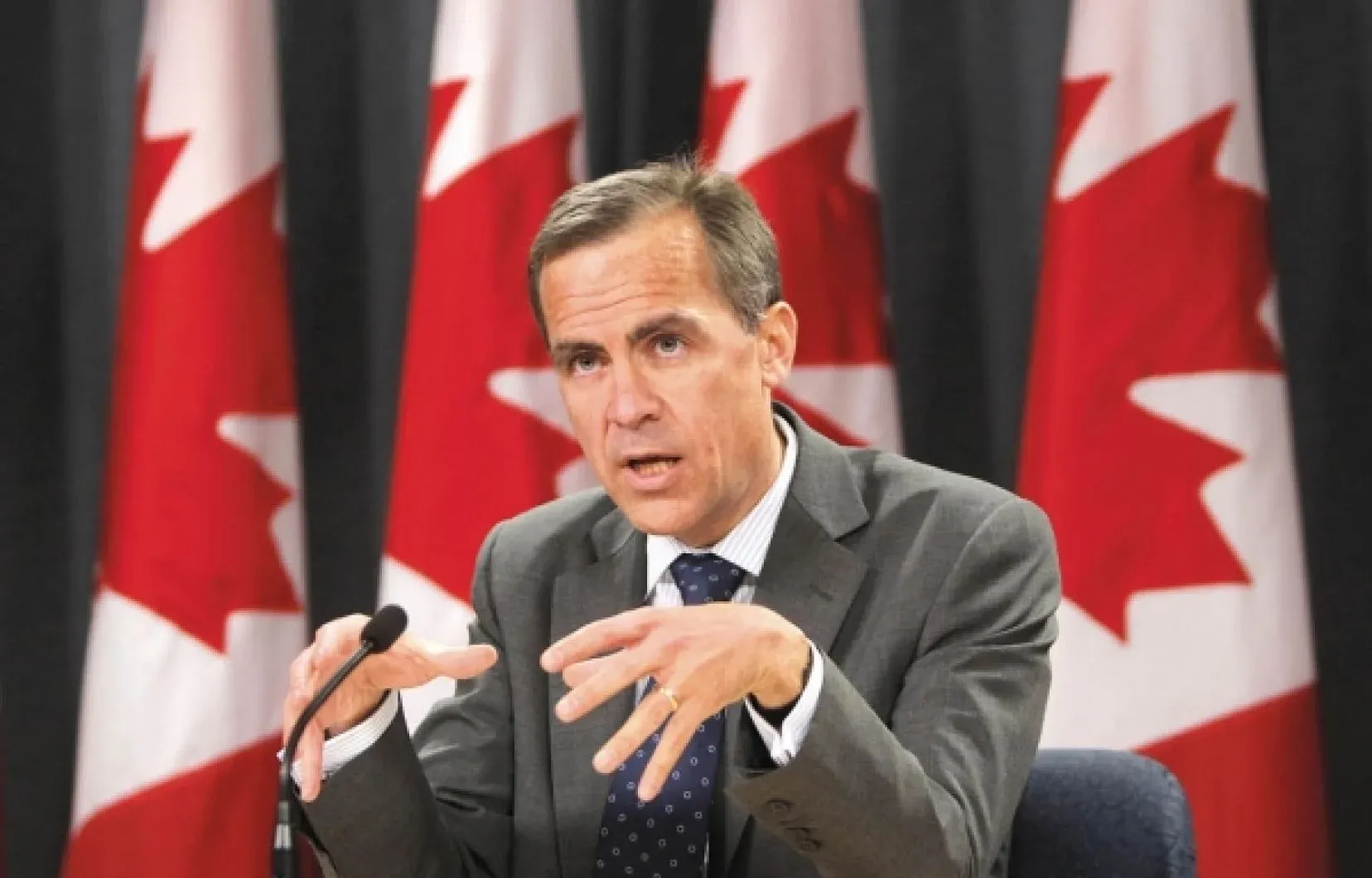
On March 9, 2025, Mark Carney was officially elected leader of Canada's ruling Liberal Party, meaning he will become the country's next Prime Minister. As a former Governor of both the Bank of Canada and the Bank of England, Carney has spent decades shaping global financial policy. His taking office raises questions about how Canada will approach cryptocurrency and blockchain technology policy under his leadership.
A History of Skepticism Toward Bitcoin
Carney has long been a vocal critic of Bitcoin. As far back as 2018, while serving as Governor of the Bank of England, he declared that Bitcoin "fails the basic tests of a currency." He argued that Bitcoin's fixed supply model — designed to mimic gold — makes it a poor store of value due to its high volatility.
Carney has also raised alarms about Bitcoin's enormous energy consumption. In 2021, in his role as the United Nations Special Envoy for Climate Action and Finance, he criticized Bitcoin mining for its negative environmental impact while advocating for more sustainable financial solutions.
Support for Blockchain and Central Bank Digital Currencies (CBDCs)
Despite his skepticism toward Bitcoin, Carney has been optimistic about blockchain technology and CBDCs. During his tenure leading the Bank of England, he explored integrating distributed ledger technology into real-time gross settlement systems. He has also been a proponent of central bank digital currency issuance, viewing it as a way to enhance financial transparency and curb illicit activity.
Carney once proposed the concept of a "synthetic hegemonic currency" (SHC) backed by a basket of central banks, which could challenge the US dollar's role as the global reserve currency. While the idea never gained widespread traction, it reflects his vision of a digital financial future governed by governments rather than decentralized cryptocurrencies.
Impact on Crypto Payments
Despite his cautious stance on Bitcoin, Carney has played a role in advancing the use of crypto in payments. In 2021, he joined the board of Stripe, one of America's leading payments companies. Under his involvement, Stripe reactivated cryptocurrency payments, integrated stablecoin transactions, and acquired stablecoin infrastructure platform Bridge for $1.1 billion in 2024.
These moves suggest that Carney sees the potential of digital assets in the payments space, provided they operate within government regulatory frameworks.
How Will Canada Shape Its Crypto Direction?
Under Carney's leadership, Canada's crypto policy will likely strike a balance between tighter regulation and fostering innovation. On one hand, he may push for stricter oversight of decentralized cryptocurrencies like Bitcoin and Ethereum, in line with global regulatory trends. On the other, his support for blockchain and CBDCs could create favorable conditions for the growth of Canada's digital finance sector.
With experience spanning both traditional finance and fintech, Carney's policies will have a significant impact on Canada's crypto industry in the years ahead. Whether that translates into a brake on growth or a catalyst for it, however, remains an open question.
🚀 What do you think? Will Carney's policies be a headwind or a tailwind for Canada's crypto industry?