Memecoins: Insane Money-Making Machine or Brainless Bubble?
Memecoins have taken the crypto world by storm, becoming the most frenzied form of digital investing today. From Dogecoin to Jail Cat, these tokens — often created as jokes or memes — are turning ordinary people into overnight millionaires. But they come with extreme volatility, no real-world utility, and a whole lot of risk. Take Jail Cat as an example: a memecoin created by a 16-year-old that shot from a $190K market cap to $2.5 million in a single day — before crashing back down to just $87K.
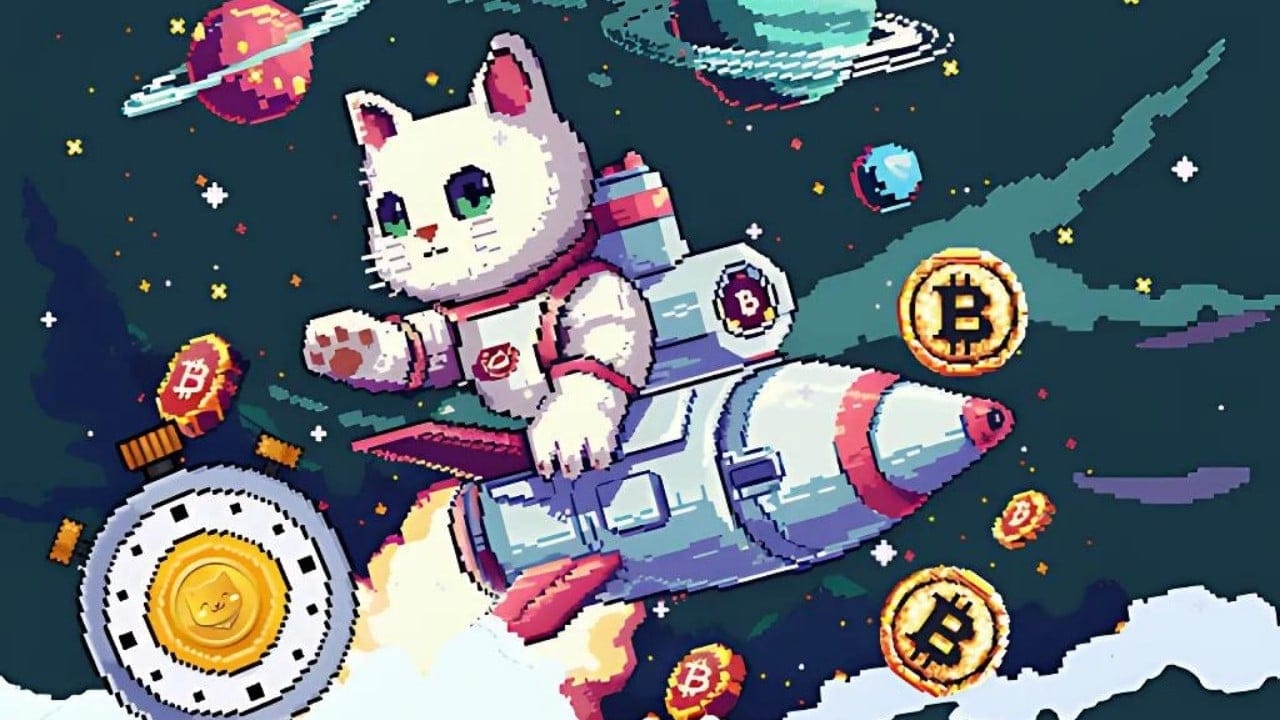
Memecoins have taken the crypto world by storm, becoming the most frenzied form of digital investing today. From Dogecoin to Jail Cat, these tokens — often created as jokes or memes — are turning ordinary people into overnight millionaires. But they come with extreme volatility, no real-world utility, and a whole lot of risk.
Take Jail Cat as an example: a memecoin created by a 16-year-old that shot from a $190K market cap to $2.5 million in a single day — then crashed back down to just $87K. Or Dogwifhat, a token featuring a dog in a hat that hit a $3.1 billion market cap within hours, only to lose most of its value shortly after. These tokens typically have no whitepaper, no real purpose — just a viral idea and community hype.
Fueling this explosion are platforms like Pump.fun, where anyone with a meme and a few clicks can launch their own token. More than 40,000 new memecoins are created every day, and some tokens see their value surge hundreds of percent within hours. This market is driven by memes, social media influencers, and even AI bots promoting coins like Goatseus Maximus (GOAT), which grew to an $840 million valuation on the back of a viral AI experiment.
The risks, however, are enormous. Memecoins are 50 times more volatile than Bitcoin, and many are outright pump-and-dump schemes. Around 30% of these projects are scams, built to extract money from unsuspecting investors. And while some young traders are walking away with millions, many others are left holding worthless tokens once the hype dies down.
For many people, memecoins represent a form of financial nihilism — especially for younger generations grappling with massive student debt, job insecurity, and little hope of homeownership. As one trader put it: "The world is broken, and the only way to make real money is through memecoins. It's made me more than my day job ever could."
Memecoins may look like a digital-age replay of the 17th-century tulip bubble, but they're likely here to stay — at least for a while. Whether they'll become the future of finance or just a fleeting craze remains to be seen.