Musk vs. Trump: When Web2 Free Speech Hits a Wall — A Wake-Up Call for Web3
In the first week of June 2025, the social platform X (formerly Twitter) became a battleground between the two most powerful figures in American politics and tech: Donald Trump and Elon Musk. It started when former President Donald Trump shared a video about a shooting in Pennsylvania. The clip was paired with inflammatory remarks that quickly went viral on X. What caught everyone off guard was that Elon Musk — the man who reinstated Trump's account as a symbol of "uncensored free speech" — personally stepped in to issue a warning, even threatening to
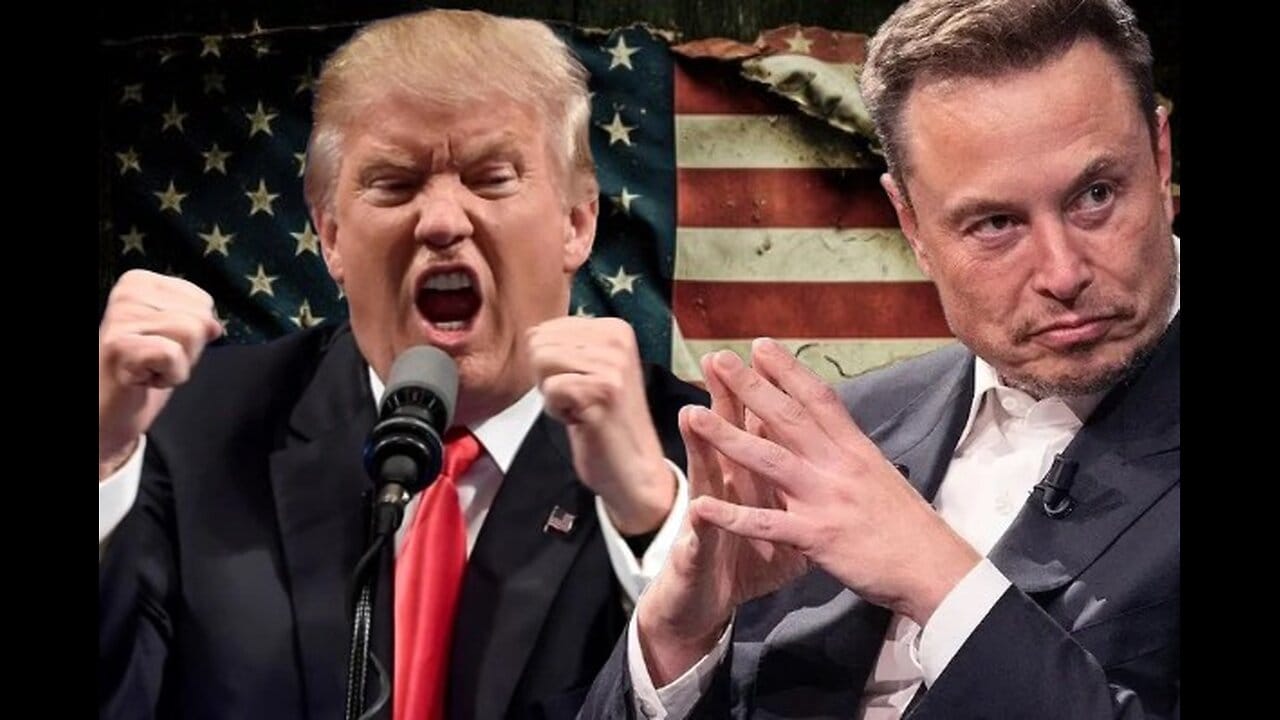
In the first week of June 2025, the social platform X (formerly Twitter) became a battleground between the two most powerful figures in American politics and tech: Donald Trump and Elon Musk.
It started when former President Donald Trump shared a video about a shooting in Pennsylvania. The clip was paired with inflammatory remarks that quickly went viral on X. What caught everyone off guard was that Elon Musk — the man who reinstated Trump's account as a symbol of "uncensored free speech" — personally stepped in to issue a warning, even threatening to suspend Trump's account if he kept "inciting" people.
A major plot twist: Does free speech actually exist?
The incident quickly sparked a fierce debate across the internet. Free speech advocates raised a pointed question: How can a platform call itself "uncensored" when a single individual holds absolute power over what stays up?
Musk had publicly blasted censorship on platforms like Facebook and YouTube, turning the "liberation" of Twitter into a personal crusade. But now, he was acting like a "new Zuckerberg" — wielding unchecked authority to pass judgment on others' speech, even that of a former U.S. President.
This confrontation lays bare a core paradox of Web2 platforms:
- Free speech is controlled by centralized power — whether that's a content moderation board, a CEO, or internal policy.
- Even individuals with the highest political status are not immune to being suspended, removed, or silenced.
On Web2, "terms of service" always outrank civil rights.
A warning for Web3: Don't just be "decentralized on the surface"
The Musk–Trump spat carries a big lesson for the Web3 community: No platform is truly censorship-resistant if its power structure remains centralized.
A protocol can run on a blockchain, but if the user interface, access systems, API allowlists, or governance tokens are controlled by a small group, the risk of censorship is very much still there.
The real challenge isn't just "technological decentralization" — it's "decentralization of power and operations."
SocialFi rises: The dream of uncensored media
While Web2 continues to wrestle between freedom and control, a new layer of Web3 platforms is quietly building a new media order — one where users are both the owners and the final moderators.
Projects like:
- Farcaster — a decentralized social protocol built on Ethereum + Optimism, where every "tweet" is stored on-chain and user identity belongs to the user themselves through their wallet.
- Lens Protocol — where every action like "post," "comment," or "follow" is an NFT that no one can delete except you.
- DSCVR — a Reddit-style forum on the Internet Computer, with no central server and no traditional admin censorship.
These platforms are proving that uncensored media is achievable — but it requires trading away some convenience, smooth user experience, and the ability to moderate by conventional social standards.
Freedom isn't free — Do you choose convenience or sovereignty?
The Musk–Trump clash isn't just personal drama. It's a mirror reflecting the trade-off between Web2's convenience and Web3's self-sovereignty.
- Web2 can get you millions of views, but a post can be deleted simply because it got mass-reported.
- Web3 means managing your own identity and digital signatures — but no one can take away your right to speak.
And most importantly: if even Donald Trump — a former President of the United States — can be warned and threatened with suspension, don't assume you're "too small to be censored."
Conclusion: Web3 isn't paradise — but it's a path forward
Web3 isn't a perfect answer to free speech. But it's the first place in history where you actually own your posts, your identity, and your right to speak — at the infrastructure level.
In a world where any post can be erased with a single click from a CEO, Web3 is the light at the end of the tunnel — still dim, but getting clearer every day.