Runes Are Recovering — Could the Bitcoin Ecosystem Be Making a Comeback?
While Bitcoin may be gradually emerging from a six-month correction, its ecosystem is also showing positive signs. As of October 17, data from the Magic Eden marketplace shows the Runes sector is booming. DOG·GO·TO·THE·MOON is up 10.1% in the past 24 hours, currently priced at 8.7 satoshis. PUPS·WORLD·PEACE is up 10.75%, currently priced at 234 satoshis. BILLION·DOLLAR·CAT posted the most impressive gain at 47.67%, currently priced at 155 satoshis. Via GeniiDa
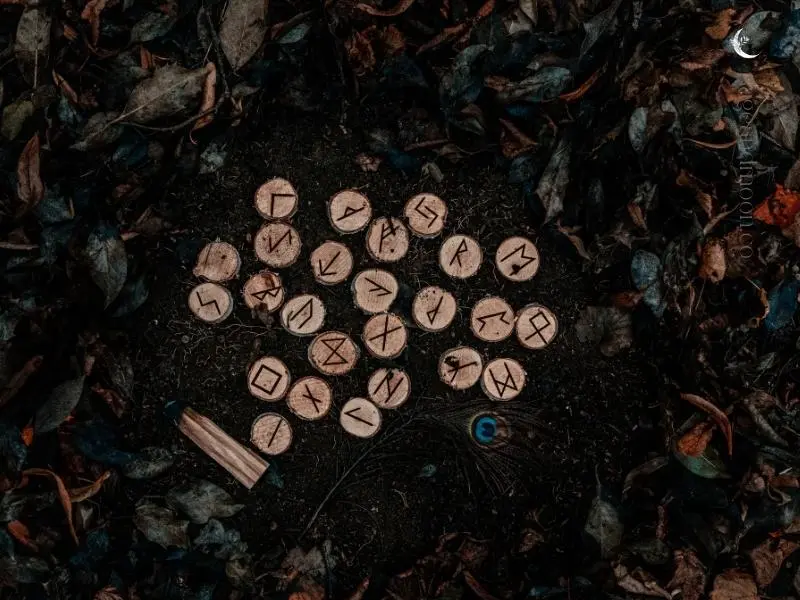
While Bitcoin may be gradually emerging from a six-month correction, its ecosystem is also showing positive signs.
As of October 17, data from the Magic Eden marketplace shows the Runes sector is booming. DOG·GO·TO·THE·MOON is up 10.1% in the past 24 hours, currently priced at 8.7 satoshis. PUPS·WORLD·PEACE is up 10.75%, currently priced at 234 satoshis. BILLION·DOLLAR·CAT posted the most impressive gain at 47.67%, currently priced at 155 satoshis.
According to GeniiData, the total market cap of the Runes protocol has recovered to $1.34 billion.
Data shared by Dune user @cryptokoryo_ shows that the Runes protocol is increasingly becoming a significant force in the Bitcoin ecosystem. Currently, Runes transaction volume accounts for roughly 10% of total Bitcoin network volume. This figure initially saw rapid growth around the protocol's launch, peaking at 81.3%. That early surge was driven by strong FOMO sentiment, but market enthusiasm has since settled to more rational levels.
Through this process, the Runes protocol quickly evolved from an emerging asset in the ecosystem into one of the mainstream players in Bitcoin. Notably in terms of trading activity, it has surpassed BRC-20 tokens. On-chain data shows the current transaction volume ratio of Runes versus BRC-20 stands at approximately 95:5, reflecting its growing competitive edge within the Bitcoin ecosystem and its transition into one of the most active L1 assets.
From a fee perspective, native Bitcoin network fees still dominate at roughly 90%. However, fee contributions from the Runes protocol fluctuate around 10%. By contrast, the combined fee contribution from BRC-20 and Ordinals protocols is only 2–3%, underscoring the growing importance of Runes in terms of transaction fee contribution.
The Runes protocol's resurgence has sparked renewed market discussion about the future development of the Bitcoin ecosystem. Could this protocol's revival trigger a broader renaissance across the Bitcoin ecosystem?
What Is the Runes Protocol?
The Runes protocol, introduced by Bitcoin developer Casey Rodarmor in 2023, is a new token protocol designed to provide a token issuance standard built on the Bitcoin blockchain. The protocol leverages Bitcoin's UTXO model and the OP_RETURN field to enable the creation and management of fungible tokens (FTs), characterized by high compatibility and scalability. It integrates seamlessly with Bitcoin's RGB protocol and the Lightning Network. This design ensures that the Bitcoin network can expand its use cases while preserving its existing security and decentralization.
A standout feature of the Runes protocol lies in its efficient, low-inflation approach to token management. Unlike traditional inscription protocols, Runes stores token data in the OP_RETURN field, enabling complex transaction logic with minimal on-chain storage consumption. This mechanism effectively reduces blockchain bloat and gives miners more opportunities to earn transaction fees. On the miner incentive side, the Runes protocol introduces a new revenue stream for the Bitcoin blockchain, easing economic pressure following block reward halvings.
From a technical standpoint, the Runes protocol is UTXO-based, allowing it to fully leverage Bitcoin's foundational design for extremely secure token transactions and issuance. Furthermore, given its scalability, Runes demonstrates strong compatibility with Layer 2 solutions — particularly the RGB protocol and the Lightning Network — opening up a wide range of application prospects for the Runes protocol, including cross-chain transactions and the construction of decentralized finance platforms.
The Potential of Runes
Runes' potential hinges on whether these driving factors can be sustained and whether the market can shift from sentiment-driven behavior toward exploring real-world use cases. At the moment, the Runes market resembles an evolution of meme tokens, capturing investor attention through culturally resonant narratives. Over the long term, however, high market volatility could become a significant risk — potentially leading to a rapid collapse in market confidence if the protocol lacks substantive applications and technological backing.
Notably, the Bitcoin Ordinals browser Ord.io published a post claiming that rumors suggest Coinbase insiders have revealed that the exchange is conducting internal security audits and regulatory compliance reviews for the Runes protocol. If Runes clears these compliance reviews and gets listed on mainstream exchanges, it would significantly boost market recognition and its potential to attract a broader user base and capital inflows. That said, this information has not been officially confirmed.
Challenges and Opportunities for a Bitcoin Ecosystem Warmup
Runes, by leveraging Bitcoin's UTXO model, breaks through Bitcoin's limitations in scalability and functionality. It enables the issuance and circulation of tokenized assets with minimal on-chain data storage costs, significantly enriching Bitcoin's use cases and unlocking greater potential across areas such as DeFi, NFTs, and on-chain asset management. Wider Runes adoption drives up on-chain activity — particularly by introducing more transaction types and interactions built on protocols like Ordinals — boosting Bitcoin network activity and drawing more developers and users into the network. Its market performance has already demonstrated both its potential and its user base.
The Runes explosion could be viewed as the opening shot in a potential Bitcoin ecosystem warmup. However, it also faces considerable challenges. On one hand, technological bottlenecks remain. Although Runes has introduced more use cases to the Bitcoin network through tokenization mechanisms, the Bitcoin network's inherent scalability constraints still limit the full development of its ecosystem. On the other hand, market confidence and investor sentiment will directly impact the sustainable growth of Runes. Despite its strong current market performance, Runes' long-term growth depends on sustained capital inflows and user growth. Liquidity is the key factor in whether Runes can maintain its momentum. Without consistent market demand and liquidity, Runes risks becoming a casualty of short-term speculative bubbles.
Moreover, existing Layer 2 solutions have yet to achieve broad market adoption and application. User reach and activity remain insufficient, limiting the scalability of the Runes protocol and other decentralized applications to some extent. Breaking through in the ecosystem requires coordinated effort across technology, developers, and users throughout the entire ecosystem. Only through technological maturity and broad user participation can the ecosystem provide the necessary infrastructure support for protocols within it — propelling the Bitcoin ecosystem toward its next stage of full-scale prosperity.