The New Trade War Is About Code, Not Steel
In 2025, Donald Trump returned with a controversial trade policy: "Liberation Day." Beneath the surface of tariffs and sanctions, this isn't just a campaign targeting China — it's a declaration of war against a new form of power: encoded knowledge. If the old trade war was about physical goods — steel, soybeans, iPhones — the new one is about digital knowledge, the foundation the world is building its next economy on: open-source code, artificial intelligence, data,
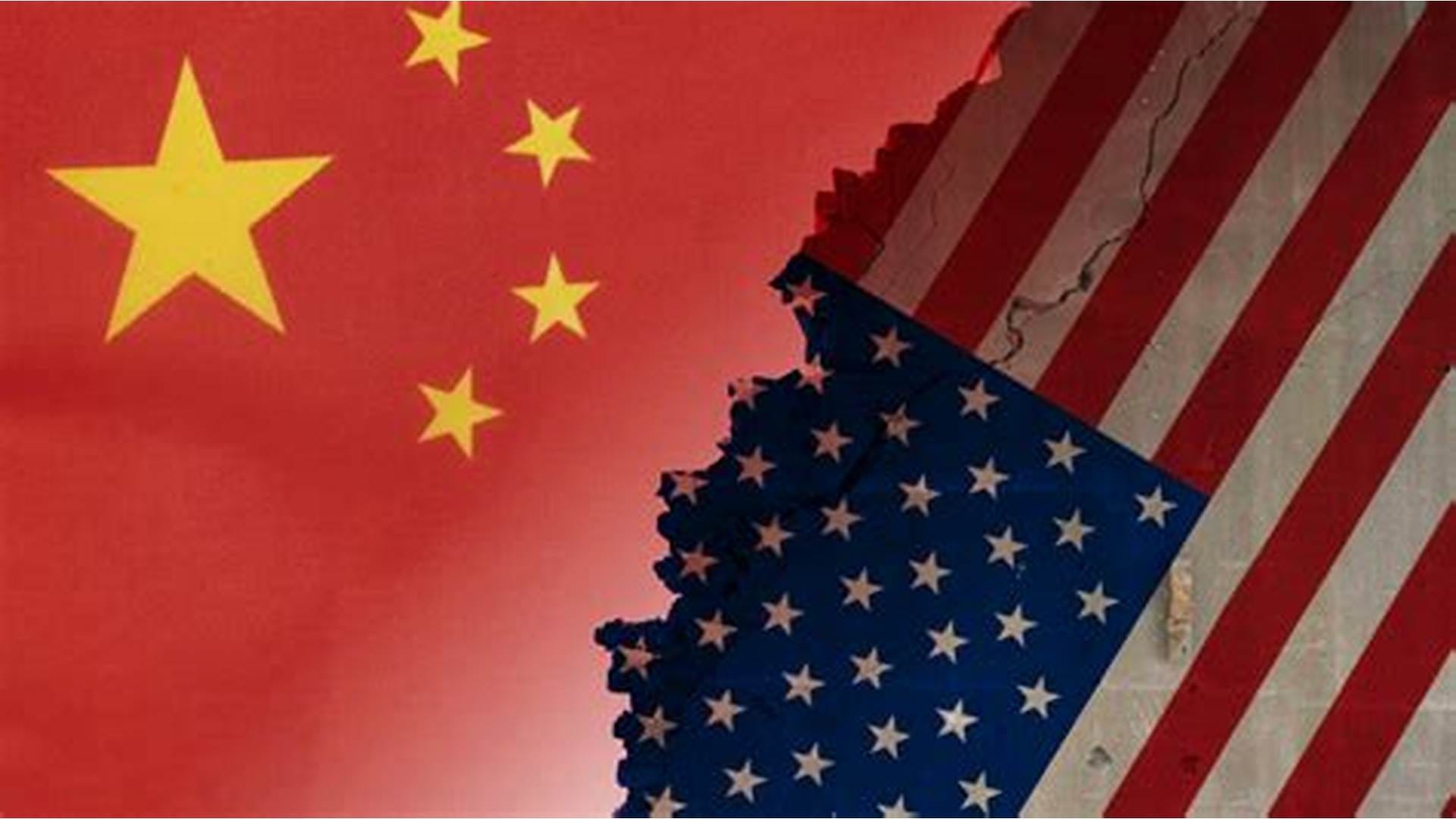
In 2025, Donald Trump returned with a controversial trade policy: "Liberation Day". Beneath the surface of tariffs and sanctions, this isn't just a campaign targeting China — it's a declaration of war against a new form of power: encoded knowledge.
If the old trade war was about physical goods — steel, soybeans, iPhones — the new one is about digital knowledge, the foundation the world is building its next economy on: open-source code, artificial intelligence, data, blockchain protocols, and Web3 infrastructure.
Liberation Day: Tech Crackdown 2.0
The Liberation Day campaign didn't just slap massive tariffs on Chinese goods. It also amounts to a sweeping technology ban, including:
- 🚫 Banning Chinese developers from contributing to major open-source projects
- 🔒 Applying export controls to AI algorithms and crypto
- 💣 Pressuring Web3 protocols that serve Chinese-backed digital finance
This is an escalation from a trade war into a full-scale global knowledge war.
Knowledge Sovereignty: A War Without Borders
This conflict isn't confined to the China-US border. It reflects a deeper question: Who actually controls the digital world?
- 🌐 Who controls smart contracts?
- 💾 Who owns the training data behind AI models?
- ⚙️ Who runs open-source organizations?
In the Web3 era, sovereignty is no longer tied to territory — it's tied to knowledge power, where a developer's nationality or a server's physical location can become a political issue.
The Future of the Code War
The fallout from Liberation Day and the code war will be far-reaching:
- 📉 Tech decoupling will accelerate significantly
- 🧠 Web3 talent could be "nationalized" or brought under state control
- 🕵️ Blockchain identity will become politicized, forcing users to pick a side
- 💸 Digital capital will flow toward neutral platforms: DAOs, private blockchains, global stablecoins...
Conclusion
This new war isn't just between two superpowers — it's between two ideologies: centralization and decentralization, control and freedom, traditional sovereignty and knowledge sovereignty.
In the Web3 era, where "code is law," the most important question is no longer who makes cheaper steel — it's: who controls the code that builds the next digital world?