The Opportunity Economy of Crypto: Why Harris's Policies Are Better Than Trump's
G Clay Miller, one of the founders of Crypto4Harris, explains why he believes a Harris administration would be more beneficial for the digital asset industry than a Trump administration. There's a reason why single-issue crypto voters back Donald Trump. The Biden administration's hostility toward digital assets is now being attributed to Kamala Harris, while Trump has publicly championed the industry in recent months
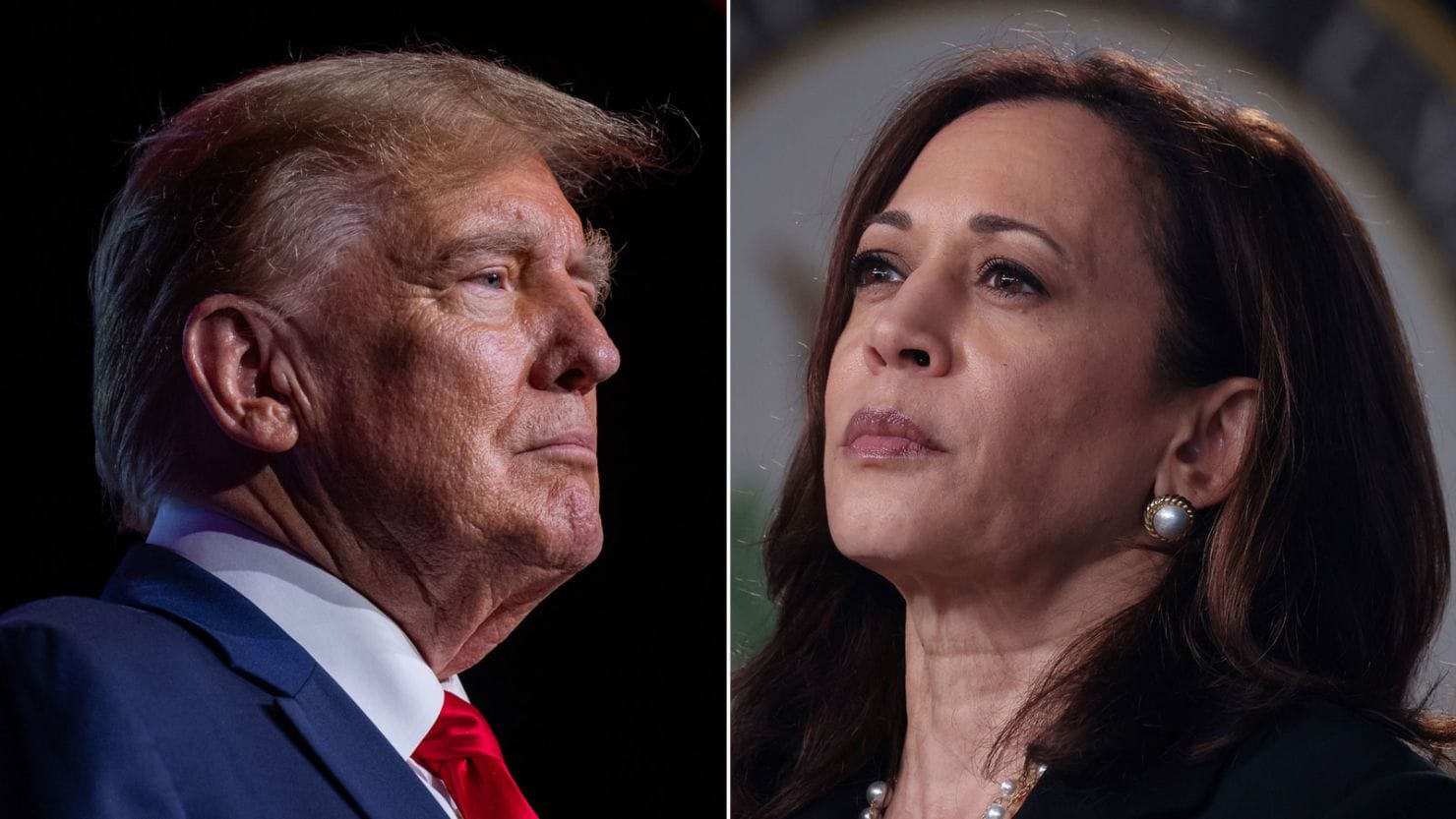
G Clay Miller, one of the founders of Crypto4Harris, explains why he believes a Harris administration would be more beneficial for the digital asset industry than a Trump administration.
There's a reason why single-issue crypto voters back Donald Trump. The Biden administration's hostility toward digital assets is now being attributed to Kamala Harris, while Trump has publicly championed the industry in recent months. Looking at the candidates' public statements — or lack thereof — one might conclude that Trump would be more supportive of the industry. However, a closer examination of each candidate's overall policy agenda reveals that, in my view, a Harris administration would create a better environment for the long-term growth of crypto.
Kamala Harris recently broke her silence on digital assets. On September 22, she told a donor in New York City that she would "encourage the growth of innovative technologies, like AI and digital assets, while protecting consumers and investors." On September 25, she said in Pittsburgh that she wants America to "lead in blockchain technology."
These statements came more than a month after Democratic crypto industry leaders joined forces to launch the Crypto4Harris movement and held town halls to advocate for a Democratic digital asset policy "reset." I'll admit her statements pale in comparison to Trump's 180-degree flip from skeptic to champion.
For many, these statements marked the first clear signal that she is open to embracing the crypto industry. But for those who have been tracking her policy positions and reading the signals, it was long expected. Her advisors and representatives have expressed support, and her campaign has engaged in substantive conversations — including with Democratic congressional leaders like Senate Majority Leader Chuck Schumer (D-NY) and House Financial Services Committee Ranking Member Maxine Waters (D-CA), who have made their positions clear. Meanwhile, Harris's words, policy positions, and campaign messaging point to a break from the Biden administration's restrictive crypto policies. Industry insiders believe that if Harris wins the presidency, it could signal a "policy reset."
Despite the two candidates' differing public statements on crypto, I believe a President Kamala Harris would be better for our digital economy's future. First, I'll point to instances where the former president failed to follow through on promises, and where he lied or exaggerated for personal gain. Then I'll explain how Harris's "opportunity economy" vision could deliver broader benefits to our industry.
Here's why Trump is a skeptic we should be wary of:
- No Presidential Action:
Joe Biden certainly wasn't a crypto advocate, but neither was Trump. Trump did nothing to support the industry during his four years in office. In fact, he initiated the Treasury's "Operation Hidden Treasure," which became the precursor to "Chokepoint 2.0." On top of that, he publicly called crypto a "scam" — the only presidential candidate to do so.
- Lack of Understanding and Unrealistic Policy Proposals:
Many of Trump's crypto policy proposals amount to little more than vague slogans and empty promises. His statements about crypto needing to be "made in America" reveal a fundamental misunderstanding of the decentralized nature of proof-of-work technology; his promise to "fire" SEC Chair Gary Gensler exceeds presidential authority; and his claim that Bitcoin could offset the national debt is laughable.
- He's Only in It for the Money:
Trump's pivot to supporting the industry becomes clear when you follow the big donors to his campaign. Starting with Andreessen Horowitz and the Winklevii, his growing engagement with backers is directly proportional to donor support for his campaign. For better or worse, the crypto industry accounts for nearly half of all corporate political donations this cycle. Additionally, his recent venture, World Liberty Financial, has made contradictory claims — initially saying it would be open only to accredited investors, then launching a public token (with 20% of total supply reserved for Trump family members). This has raised serious ethical concerns and led many experts to conclude that his interest in the industry is purely about lining his own pockets.
While Trump has put forward a few very specific crypto policy proposals, his overall economic policies remain deeply vague. Harris, by contrast, has developed a detailed strategy to build what she calls an "opportunity economy" — one that reintroduces the lost concept of social mobility and addresses core structural flaws in the American economy. By focusing on education, small business development, and ensuring a strong rule of law, our economy — including the digital economy — can recover from decades of middle-class stagnation.
Here are some ways Harris's "opportunity economy" would foster digital asset innovation:
- Child Tax Credit Programs, Education Policy, and Technical Vocational Training:
Harris's opportunity economy emphasizes rebuilding the middle class through child tax credits, improved education policy, and expanded technical vocational training opportunities. These programs are critical to driving digital asset innovation. By cultivating an educated and skilled workforce, a Harris administration would develop the talent needed to sustain and expand the blockchain and crypto ecosystem. This emphasis on human capital would directly benefit the future of decentralized technologies.
- Small Business Support Through a $50,000 Startup Tax Credit:
A key pillar of Harris's platform is a $50,000 startup tax credit aimed at empowering small businesses to thrive. This policy is essential for blockchain entrepreneurs who need seed capital to get off the ground. The crypto industry flourishes in environments that support grassroots innovation. Small businesses are the backbone of a healthy economy, and competition within the blockchain ecosystem will drive growth. Harris's Silicon Valley experience and her understanding of small business policy suggest she knows that the next wave of decentralized technology won't come from large corporations — it'll come from dynamic small businesses.
- The Importance of Rule of Law for Market Functioning:
Most importantly, as a former district attorney, we can trust in a stronger rule of law under a Harris administration than under a convicted felon president. Stable, transparent, and predictable regulations and institutions will strengthen trust in the system, allowing local businesses to thrive without fear of sudden legal changes. This not only protects the interests of American investors but also sends a strong signal to global markets, reassuring foreign investors that the United States is a safe and innovative place to do business. By building trust through the rule of law, Harris's economic plan will boost both domestic and international interest in digital assets, creating a stable environment for growth.
Harris's data-driven, comprehensive, and pragmatic approach to economic reform — one that incorporates diverse perspectives — will deliver broader national benefits. A thriving middle class is the key to sustainable growth, and her plan emphasizes redistributing opportunity by supporting those who have historically been left behind. Her focus on education, workforce training, small business innovation, and the rule of law creates an economy that works for everyone, not just the wealthy elite — core values of the crypto community. Her commitment to regulatory transparency will enhance market stability, which is critical for long-term growth. This balanced approach will ensure that all Americans benefit from economic prosperity.
Harris's broader economic policies are thoroughly researched and detailed. Now that she has begun to signal support for the industry, I believe her digital asset policies will follow suit. I hope the Vice President will offer more substantive remarks on the topic before the election — unlike Trump's unpredictable approach. I believe that under a Harris administration, the United States will be stronger, and the digital asset industry will follow.