The U.S. Presidential Election and the Future of Crypto Policy
This article analyzes the policy differences between the two major U.S. political parties — the Democratic Party and the Republican Party — on cryptocurrency, ahead of the upcoming presidential election. Democrats: * Stance: Pursue cautious regulation aimed at protecting consumer rights and maintaining market stability. * Policy: Implement strict regulations, prioritizing macroeconomic stability and social equity. * Shift: A gradual move away from a hardline stance toward a more neutral position in recent years, though the crypto industry has yet to become a centerpiece of the party's agenda.
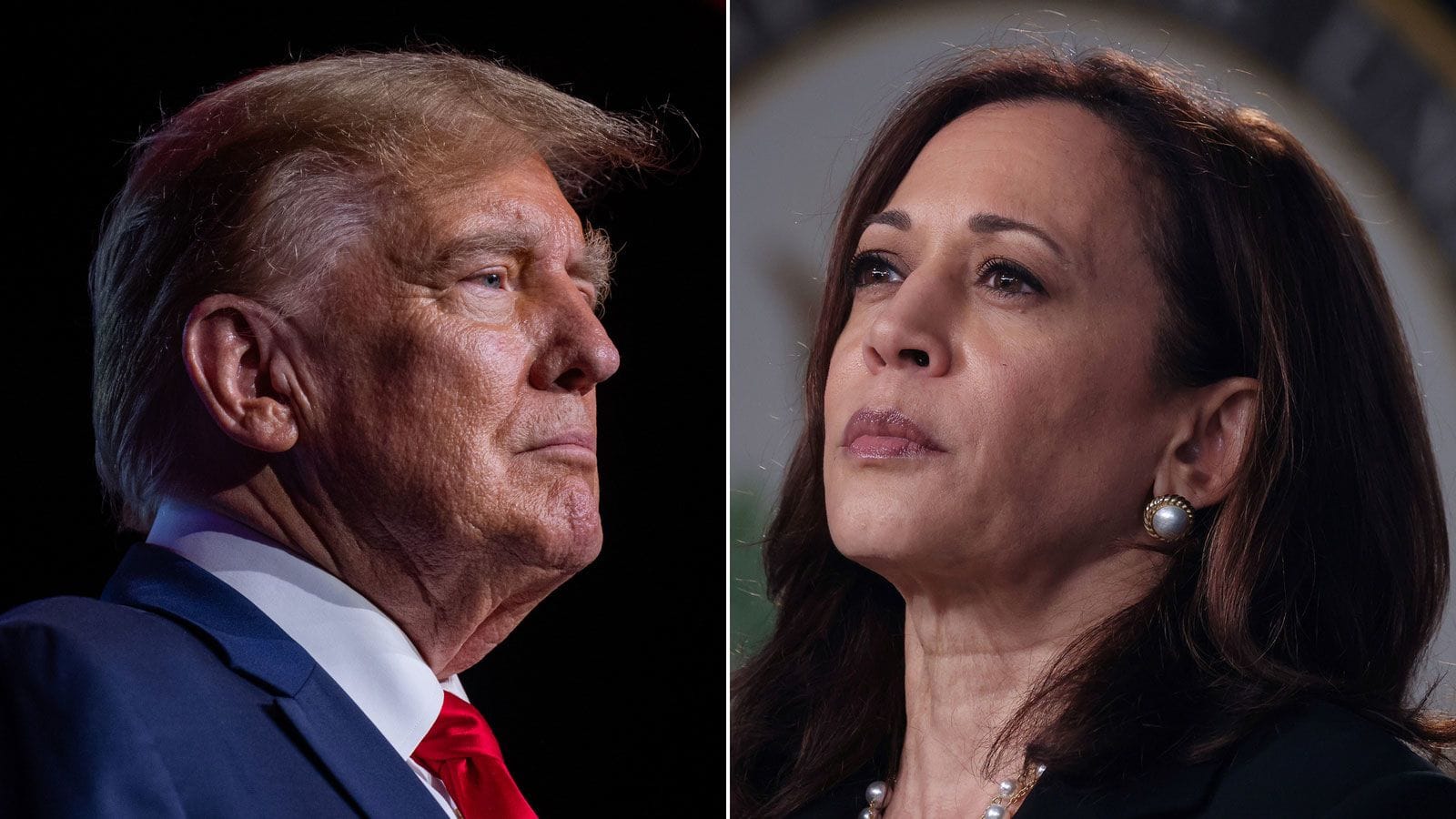
This article analyzes the policy differences between the two major U.S. political parties — the Democratic Party and the Republican Party — on cryptocurrency, ahead of the upcoming presidential election.
Democrats:
- Stance: Pursue cautious regulation aimed at protecting consumer rights and maintaining market stability.
- Policy: Implement strict regulations, prioritizing macroeconomic stability and social equity.
- Shift: A gradual move away from a hardline stance toward a more neutral position in recent years, though the crypto industry has yet to become a centerpiece of the party's agenda.
- Examples:
- Executive Order on Ensuring Responsible Development of Digital Assets (2022)
- 2023 Economic Report of the President (2023)
- Aggressive enforcement actions by the SEC and CFTC against crypto firms (2023)
- Support for repealing SAB 121 (2024)
- Vice President Kamala Harris's plan to support Black-owned businesses (2024)
- Governor Gavin Newsom's policies in California (2022–2023)
Republicans:
- Stance: Favor reducing regulatory constraints and promoting innovation in the crypto industry.
- Policy: View cryptocurrency as a key factor in strengthening U.S. competitiveness in global financial markets.
- Examples:
- Donald Trump accepting crypto donations and framing cryptocurrency as a tool to counter the Biden administration's control over financial markets (2024)
- Trump supporting the rollback of SEC regulations and the creation of the "Department of Government Efficiency" (D.O.G.E.) led by Elon Musk (2024)
- Trump pledging to fire SEC Chair Gary Gensler and establish a clearer regulatory framework for crypto (2024)
- Trump endorsing Bitcoin mining in the U.S. and positioning Bitcoin as a key to reviving the "American Dream" (2024)
Market Impact:
- Democrats: Strict regulatory policies could lead to higher compliance costs, greater barriers to market entry, and constraints on innovation. However, they may build market confidence, strengthen investor protections, and have a positive effect on long-term, stable growth.
- Republicans: Looser policies could drive capital flows into the industry, position the U.S. at the forefront of global crypto innovation, and attract more projects to American shores. However, a more permissive regulatory environment could also lead to elevated risk and increased market volatility.
Conclusion:
The policy divide between the two parties will have a profound impact on the future of the crypto industry. The U.S. needs to achieve bipartisan coordination on future policies in order to create a framework that is more inclusive, more transparent, and more forward-looking. At the same time, regulators and industry organizations must work together to strike the right balance between protecting innovation and managing risk — fostering the healthy development of financial innovation.
Disclaimer: This article provides information about political stances related to cryptocurrency and is not intended to endorse any political party.