US Advances the "One Big Beautiful Bill": Elon Musk Pushes Back Hard, Crypto Community Eyes Tax Relief
On July 1, the US Senate cleared a key procedural hurdle to advance the One Big Beautiful Bill Act (OBBB) — the sweeping spending and tax-cut legislation proposed by the Trump administration. As financial markets buzzed over the prospect of incoming stimulus, the crypto community was caught off guard to find itself included in the bill's tax exemption roadmap. Elon Musk warned he would launch a new political party if the bill passes. The OBBB cleared a procedural vote in the Senate by the narrowest of margins (51–49
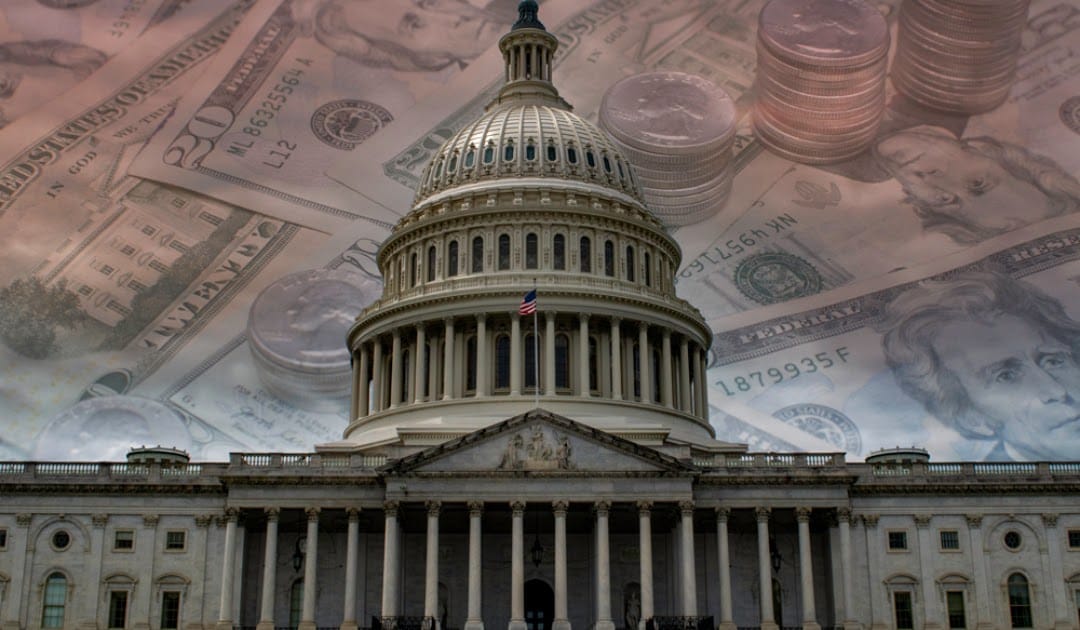
On July 1, the US Senate cleared a key procedural hurdle to advance the One Big Beautiful Bill Act (OBBB) — the sweeping spending and tax-cut legislation proposed by the Trump administration. As financial markets buzzed over the prospect of incoming stimulus, the crypto community was caught off guard to find itself included in the bill's tax exemption roadmap.
Elon Musk Threatens to Launch a New Party if the Bill Passes
The OBBB cleared a procedural vote in the Senate by the narrowest of margins (51 in favor – 49 opposed). Billionaire Elon Musk immediately fired back, calling it "a crazy spending bill" and declaring he would form a new political party if OBBB is signed into law.
He accused both the Democratic and Republican parties of being "just one fake party," working together to send America deeper into a spiral of ballooning national debt. Musk's comments ignited a massive public debate, with more than 80% of respondents in an online poll saying the US needs a new party.
The "Big Beautiful Bill": Tax Cuts, Spending Hikes, and a Hard Line on Immigration
Clocking in at over 1,000 pages, the OBBB contains a broad range of major proposals:
- Extension of the 2017 Trump-era tax cuts for individuals and businesses.
- Increased defense spending, border security, and a crackdown on illegal immigration.
- Rollbacks of clean energy subsidies established under the Biden administration's Inflation Reduction Act (IRA).
- Tighter eligibility requirements for social welfare programs targeting low-income households.
The OBBB is seen as the "opening salvo" of the Trump administration's new economic strategy should he return to the White House.
Crypto Wins: Lummis Pushes for a Tax Exemption on Small Transactions
Notably, Wyoming Senator Cynthia Lummis has proposed inserting a crypto-specific provision into the OBBB. The proposal includes:
- Tax reporting exemptions for crypto transactions under $300.
- A total annual transaction exemption threshold of up to $5,000.
- Simplified tax rules for staking, mining, and crypto lending activities.
Experts say that if passed, this would be a major step forward in removing tax friction and encouraging everyday Americans to use crypto as a regular payment method.
However, Lummis's proposal has yet to receive a standalone Senate vote and is likely to face fierce opposition from Democratic lawmakers.
Supreme Court Rejects Coinbase User's Privacy Lawsuit
Alongside the Congressional news, on June 30, the US Supreme Court rejected a lawsuit filed by Coinbase user James Harper against the Internal Revenue Service (IRS) over the privacy of his crypto transaction data. The ruling has raised fresh concerns about the erosion of privacy rights for digital asset users.
Markets Eye Early Rate Cuts
The momentum behind the OBBB spending bill has led investors to bet that the Federal Reserve (Fed) may pivot its monetary policy sooner than expected. Goldman Sachs revised its forecast, suggesting the Fed could begin cutting rates as early as September, rather than waiting until late in the year as previously anticipated.
Conclusion
The "One Big Beautiful Bill" is stirring controversy not only in political circles but could also be a turning point for the crypto industry. If the small-transaction tax exemption makes it into law, crypto would move meaningfully closer to becoming a legitimate and mainstream payment method in the US. That said, public opinion remains sharply divided, and the ultimate fate of the OBBB is still far from certain.