Vitalik Buterin Outlines Ethereum’s Shift to a Cryptographic World Computer by 2030
What happened: Vitalik Buterin published a roadmap envisioning Ethereum as a “cryptographic world computer” that extends beyond traditional blockchain architecture.
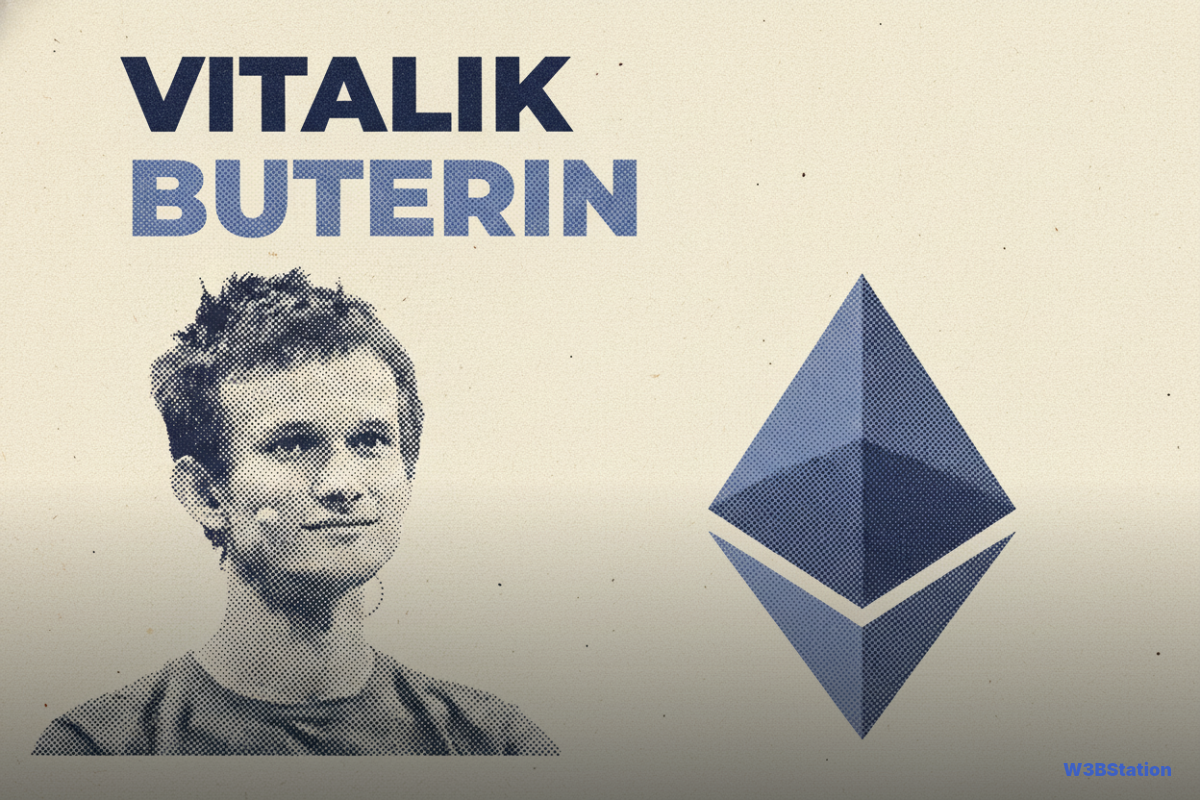
What happened: Vitalik Buterin published a roadmap envisioning Ethereum as a “cryptographic world computer” that extends beyond traditional blockchain architecture. The vision, detailed in a blog post on September 27, 2026, describes a hybrid of blockchain and off-chain computation powered by SNARK/STARK proofs and advanced cryptography. Key milestones include the Glamsterdam upgrade (Q4 2026), the Hegotá fork (2027), and a post-Hegotá era featuring recursive proofs and quantum-safe cryptography. Buterin targets 4–8 second block slots and 8–32 second finality by 2030.
Why it matters: The roadmap signals a major evolution in Ethereum’s design, prioritizing scalability, privacy, and post-quantum security. While the plan is ambitious, Buterin notes that timelines and technical specifics depend on ongoing research and real-world feasibility. The shift could redefine Ethereum’s role in decentralized computation and influence the broader smart contract ecosystem.
Source: The Block