White House Bitcoin Strategic Reserve Announcement Expected Within Weeks as Policy Shift Takes Shape
Crypto advisor Patrick Witt's official confirmation signals a major pivot in the current administration's digital asset strategy.
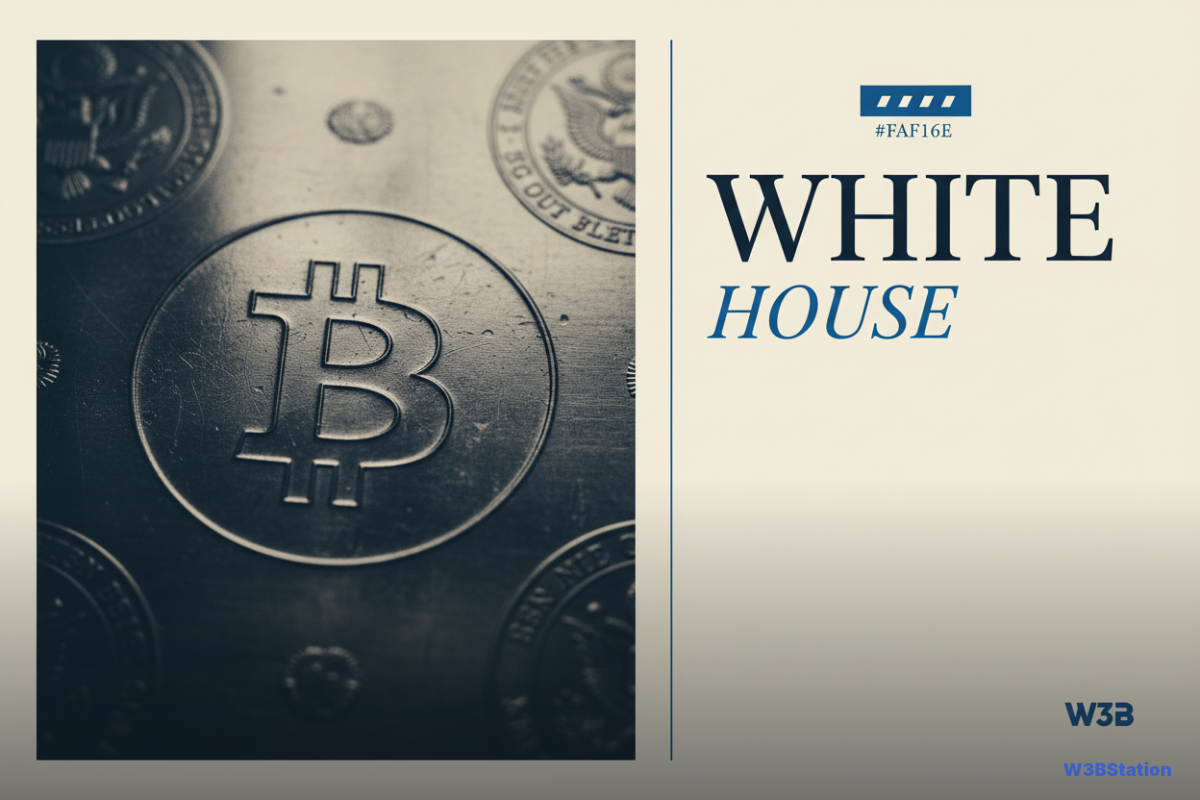
The cryptocurrency community is buzzing with anticipation following confirmation from White House crypto advisor Patrick Witt that an official announcement regarding a U.S. Bitcoin Strategic Reserve is expected within the coming weeks. This development represents a potentially seismic shift in American monetary policy and could position Bitcoin as a cornerstone of national financial strategy.
Breaking Down the Announcement
Patrick Witt's statement, which gained significant traction across major crypto news platforms and social media, marks the first official timeline for what many consider to be one of the most significant potential policy changes in cryptocurrency history. The announcement has sent ripples through both traditional financial markets and the digital asset ecosystem, with industry observers scrambling to understand the implications.
The concept of a Bitcoin Strategic Reserve has been gaining momentum since President-elect Donald Trump's campaign promises to establish the United States as the "crypto capital of the world." This latest confirmation suggests that what many initially viewed as campaign rhetoric is now materializing into concrete policy proposals.
Historical Context and Precedent
The idea of a national Bitcoin reserve isn't entirely unprecedented, though it would mark a first for a major global economy. El Salvador made headlines in 2021 when it began accumulating Bitcoin as a treasury asset, though on a much smaller scale relative to its economy. However, the United States implementing such a strategy would carry far greater global implications due to the dollar's status as the world's primary reserve currency.
Currently, the U.S. government holds significant Bitcoin reserves primarily through asset seizures from criminal investigations. The Department of Justice has accumulated approximately 200,000 Bitcoin through various law enforcement actions, making it one of the largest Bitcoin holders globally. A strategic reserve would represent a fundamental shift from passive accumulation to active investment policy.
Market Impact and Initial Reactions
The announcement has already begun influencing Bitcoin's price trajectory, with the cryptocurrency seeing renewed buying pressure as institutional and retail investors position themselves ahead of potential government purchases. Market analysts suggest that official confirmation could trigger what some are calling a "supercycle" in Bitcoin adoption.
Key market considerations include:
- Supply shock dynamics if the government begins systematic Bitcoin accumulation
- Increased legitimacy driving institutional adoption
- Potential for other nations to follow suit, creating a global race for Bitcoin reserves
- Impact on the U.S. dollar's dominance in international trade
Michael Saylor, Executive Chairman of MicroStrategy and a prominent Bitcoin advocate, has been particularly vocal about the strategic benefits of a national Bitcoin reserve. His company's aggressive Bitcoin accumulation strategy has served as a template for how large institutions might approach cryptocurrency treasury management.
Political and Regulatory Implications
The timing of this announcement is significant, coming as the incoming administration prepares to take office with what appears to be a markedly different approach to cryptocurrency regulation. The previous administration's regulatory stance was often characterized as hostile to digital assets, with agencies like the SEC pursuing aggressive enforcement actions against crypto companies.
This policy shift could signal a broader regulatory reset, potentially including:
- Clearer regulatory frameworks for cryptocurrency businesses
- Revised approach to crypto taxation and reporting requirements
- Integration of digital assets into traditional financial infrastructure
- New government roles and departments focused on digital asset policy
Technical and Logistical Challenges
Implementing a Bitcoin Strategic Reserve would require addressing significant technical and operational challenges. These include secure custody solutions capable of protecting potentially hundreds of billions of dollars worth of Bitcoin, integration with existing Treasury operations, and development of policies governing when and how the reserve might be utilized.
The government would need to establish protocols for:
- Secure Bitcoin storage and custody practices
- Acquisition strategies that minimize market disruption
- Governance frameworks for reserve management
- Integration with existing monetary policy tools
Global Economic Ramifications
A U.S. Bitcoin Strategic Reserve could fundamentally alter the global monetary landscape. Other nations might feel compelled to establish their own cryptocurrency reserves to maintain economic competitiveness, potentially accelerating the transition toward a multi-polar monetary system where digital assets play an increasingly important role.
The move could also strengthen the United States' position in the emerging digital economy while potentially reducing reliance on traditional foreign exchange reserves. However, critics argue that Bitcoin's volatility makes it unsuitable as a reserve asset, particularly compared to traditional holdings like gold or foreign government bonds.
Industry Response and Preparation
Major cryptocurrency exchanges and custody providers are likely preparing for the potential influx of institutional demand that could follow an official announcement. Companies like Coinbase, which already provides custody services for institutional clients, may see significant business opportunities from government contracts and increased corporate adoption.
The broader crypto industry is viewing this development as validation of Bitcoin's long-term value proposition as "digital gold" and a hedge against monetary debasement. However, questions remain about how such a reserve would be managed and what conditions might trigger its use.
As the cryptocurrency community awaits official confirmation in the coming weeks, the potential establishment of a U.S. Bitcoin Strategic Reserve represents a watershed moment that could accelerate mainstream adoption and fundamentally reshape the relationship between traditional monetary policy and digital assets. The announcement's timing and official nature suggest that what once seemed impossible may soon become reality, marking a new chapter in both American economic policy and the global cryptocurrency revolution.