White House Crypto Summit: Key Proposals Presented to the U.S. Government
On March 7, the first White House Crypto Summit took place in Washington, drawing significant attention from both the government and the digital asset industry. Although President Donald Trump was not in attendance, the event brought together senior officials and industry leaders including David Sacks, SEC Commissioner Hester Peirce, Acting CFTC Chair Caroline Pham, and Michael Saylor — co-founder of MicroStrategy. One of the summit's most notable features was a closed-door session where crypto industry leaders were given the opportunity to present policy proposals directly to the White House and regulatory agencies.
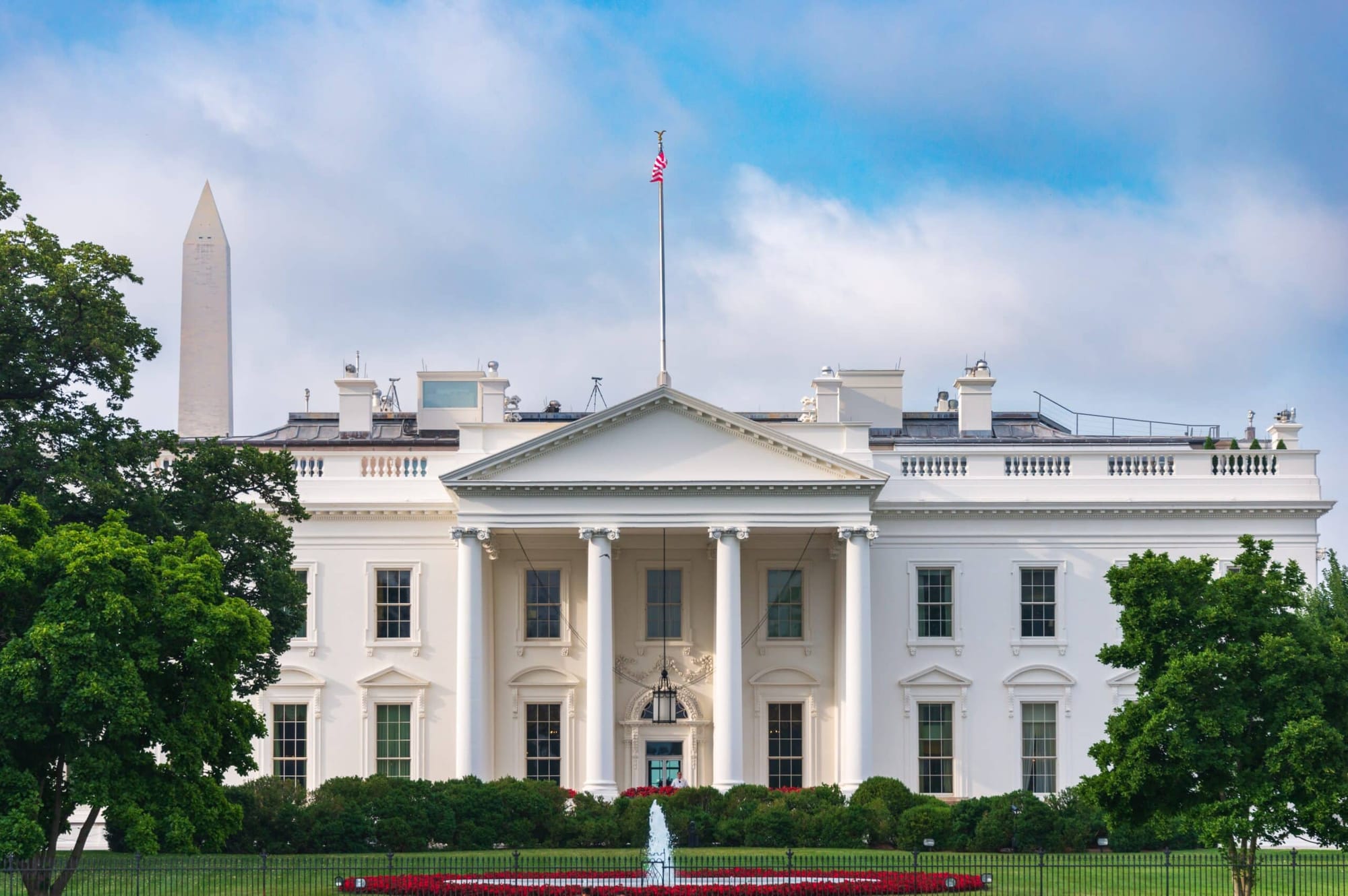
On March 7, the first White House Crypto Summit took place in Washington, drawing significant attention from both the government and the digital asset industry. Although President Donald Trump was not in attendance, the event brought together senior officials and industry leaders including David Sacks, SEC Commissioner Hester Peirce, Acting CFTC Chair Caroline Pham, and Michael Saylor — co-founder of MicroStrategy.
One of the summit's most notable features was a closed-door session where crypto industry leaders were given the opportunity to present policy proposals directly to the White House and regulatory agencies. According to sources, five key proposals were submitted to the U.S. government for consideration.
Notable Proposals
🔹 Chris Giancarlo (Former CFTC Chair): Deploy "White Hat Hackers" to Protect National Security
Former CFTC Chair Chris Giancarlo proposed that the U.S. government revive Letters of Marque — an 18th-century policy — to allow private actors to help counter global cyber threats.
Giancarlo argued that the U.S. could hire white hat hackers to track and strike back against international hacking groups, particularly organizations such as North Korea's Lazarus Group, which has allegedly stolen more than $6 billion through crypto hacks. The proposal caught the attention of Treasury Secretary Scott Bessent, who requested additional research materials to assess the plan's feasibility.
🔹 Michael Saylor (MicroStrategy): The U.S. Government Should Buy Bitcoin as a Reserve Asset
Michael Saylor, the architect of MicroStrategy's large-scale Bitcoin accumulation strategy, proposed that the U.S. should hold between 5% and 25% of the total global Bitcoin supply over the next 20 years.
By his calculations, this would mean the U.S. government holding 1.05 million to 5.25 million BTC, worth roughly $83 billion to $417 billion at current prices. The proposal is far more ambitious than the bill put forward by Senator Cynthia Lummis, who had proposed the U.S. purchase 1 million BTC.
The proposal has also drawn significant debate, as many experts worry that a single government holding such a large share of Bitcoin could undermine the asset's decentralization. Moreover, direct government purchases of Bitcoin would require Congressional approval, while some organizations are exploring executive action as a way around that hurdle.
🔹 Matt Huang (Paradigm): Calls to Revisit the Tornado Cash Case
Rather than presenting a new policy proposal, Matt Huang, co-founder of venture firm Paradigm, urged the government to reconsider the prosecution of Roman Storm — the lead developer of Tornado Cash.
Tornado Cash, an Ethereum-based transaction mixer, was sanctioned by the U.S. Treasury in 2022 on allegations that it facilitated money laundering. U.S. authorities claimed the tool was exploited by North Korean hackers to launder billions of dollars, leading to Roman Storm's arrest in 2023.
However, many DeFi experts contend that Storm simply wrote software and cannot be held liable for how others misused it. Paradigm has donated $1.25 million to cover Storm's legal costs ahead of his trial scheduled for April.
🔹 David Bailey (Bitcoin Magazine): Proposal for a U.S. Bitcoin Strategic Reserve
David Bailey, CEO of Bitcoin Magazine, continued pushing for a national Bitcoin strategic reserve while calling on the government to support domestic Bitcoin mining.
Bailey warned that other nations — including El Salvador, Bhutan, Germany, Brazil, and Poland — are already accumulating Bitcoin, and the U.S. risks falling behind. Among his more notable ideas was a proposal to partner with Bitcoin mining companies, offering low-cost electricity in exchange for mining Bitcoin directly into the national reserve.
He also floated a bold idea: issuing government bonds backed by Bitcoin, which he argued would lower interest costs for the government while attracting additional investment capital.
🔹 Vlad Tenev (Robinhood): Accelerate Tokenization of Traditional Assets
Vlad Tenev, CEO of Robinhood, focused on a highly practical proposal: tokenizing traditional assets on the blockchain.
He argued that tokenizing private equity would make it easier for U.S. companies to raise capital while giving retail investors access to opportunities previously reserved for the ultra-wealthy.
Currently, the U.S. imposes strict "accredited investor" requirements, limiting private company investment to individuals with more than $1 million in assets or a minimum annual income of $200,000. Tenev argued that the SEC should allow individuals to demonstrate financial knowledge as the basis for investing, rather than imposing wealth-based barriers — opening up greater opportunities for the middle class.
How Will the White House Respond?
While no official decisions have been made, a senior official indicated that the summit served as an opportunity for the government to hear directly from the crypto industry, and confirmed that some proposals would be studied further.
This suggests the U.S. may be gradually embracing crypto's role in the broader economy, though specific policies will require further discussion in the months ahead.
👉 Will any of these proposals become reality? Will the U.S. actually accumulate Bitcoin as a strategic asset? Stay tuned for the government's next move! 🚀🔥