Why Does China Need to Build Its Own Public Blockchain?
🌐 Blockchain is no longer optional — it's inevitable. As the digital world becomes increasingly fragmented and vulnerable to financial sanctions, China's development of a public blockchain under its own control is not just a technology strategy; it's an act of defending national digital sovereignty. 🏗️ From High-Speed Rail to Digital Infrastructure China has led the world in physical infrastructure — high-speed rail, power grids, 5G networks. Yet in the domain of digital infrastructure, which shapes the global digital economy, China still depends on American platforms like Google, Facebook, Visa, PayPal, AWS...
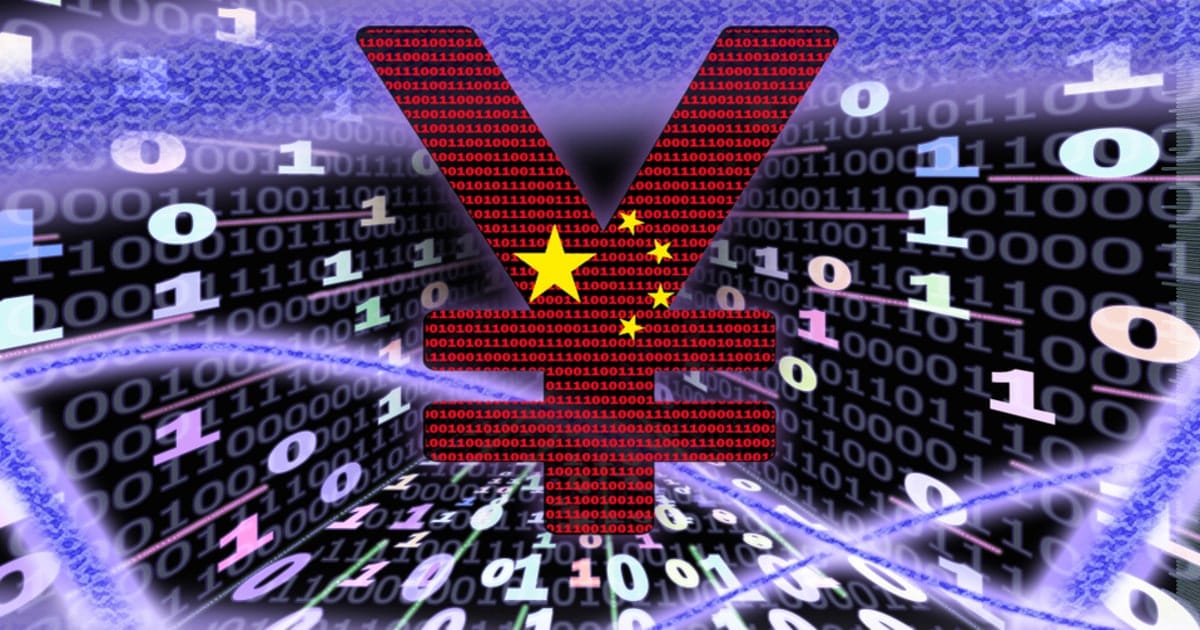
🌐 Blockchain is no longer optional — it's inevitable. As the digital world becomes increasingly fragmented and vulnerable to financial sanctions, China's development of a public blockchain under its own control is not just a technology strategy; it's an act of defending national digital sovereignty.
🏗️ From High-Speed Rail to Digital Infrastructure
China has led the world in physical infrastructure — high-speed rail, power grids, 5G networks. Yet in the domain of digital infrastructure, which shapes the global digital economy, China still depends on American platforms like Google, Facebook, Visa, PayPal, AWS...
When Chinese companies go global, they are forced to rely on foreign digital ecosystems for user accounts, payment rails, and content distribution platforms. If those gateways get shut down, entire business operations can be strangled overnight.
🔗 Public Blockchain: A Strategic Escape Hatch
Public blockchain offers a "borderless digital infrastructure":
- No banks or credit cards required
- No dependence on Facebook or Google to log in
- No control by international payment systems like Visa
- Users retain full ownership of their identity, assets, and transaction history
Models like Telegram + TON have already proven this is viable: users can message, pay in USDT, play games, and access AI — all on-chain. No App Store, no KYC, no Visa.
🚀 The Opportunity for Chinese Companies
Platforms like OKX and Bitget have already begun rolling out "wallet + blockchain + stablecoin" solutions targeting markets across Asia, Africa, and Latin America — regions where traditional banking is weak and payment infrastructure is underdeveloped. These aren't just payment tools; they're a way for Chinese companies to break free from dependency, control the value chain, and even export digital infrastructure.
👥 Redefining Accounts and Identity
In the Web2 world, user accounts belong to the platform. But with blockchain, the personal wallet is the center — the place where assets, identity, content, and activity history live. This empowers users and reduces the risks of data loss, account lockouts, or loss of digital assets.
🧭 Where Does China Stand Today?
At present, China does not have a public blockchain with global influence comparable to Solana, Polygon, Tron, or TON. Many domestic projects remain at the experimental stage, lack real-world applications, and have no clear international market development strategy.
Meanwhile, other platforms are steadily becoming the "AWS of Web3" — building the infrastructure for digital identity, digital assets, financial applications, and decentralized social networks. This is a race to control the infrastructure layer of the next generation of the Internet.
📌 Conclusion: From User to Builder
China cannot remain a consumer of international digital infrastructure forever. Building a public blockchain with Chinese characteristics is not just a technological leap — it's an essential piece of the strategy to secure digital sovereignty, support globally expanding businesses, and protect users in a digital future.
⏳ The question is no longer "should we do this?" — it's "is there still time?"
Without action now, China risks being sidelined from the Web3 game before it even gets a seat at the table.