SEC Sues Paxos, Alleging BUSD is an Unregistered Security

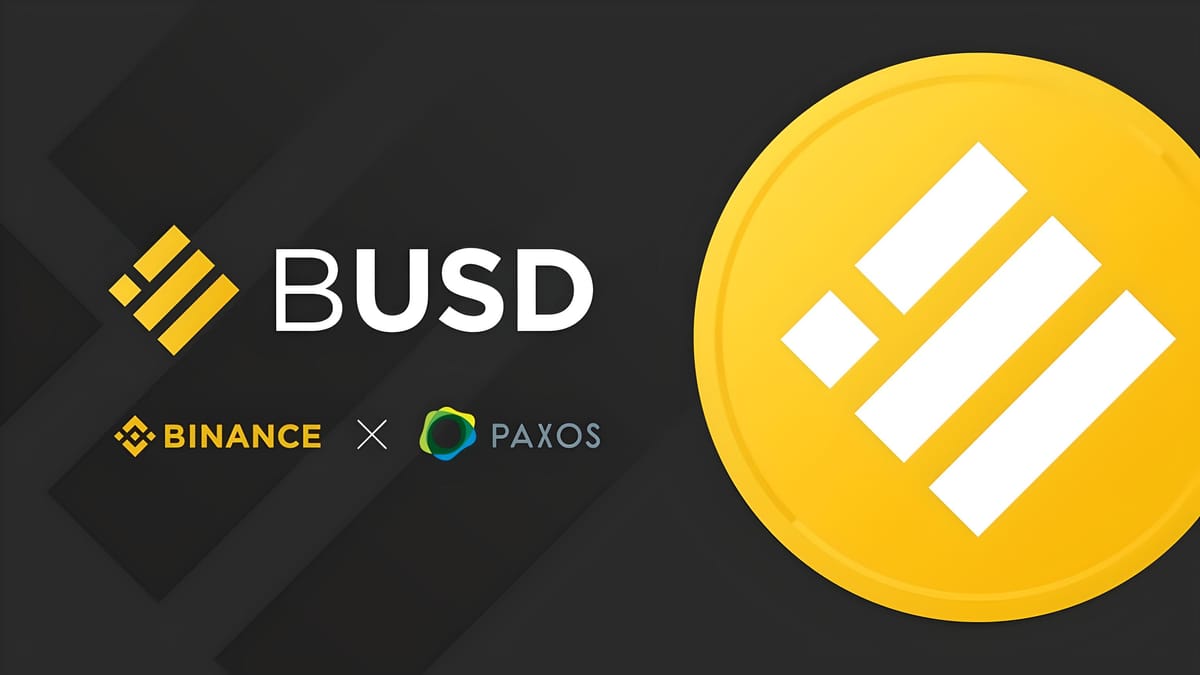
The SEC has taken a major step in its escalating battle against the crypto industry by suing Paxos, accusing the BUSD stablecoin of being an unregistered security.

SEC Sues Paxos, Alleging BUSD is an Unregistered Security
Update on February 14, 2023:
In response to the SEC lawsuit, Paxos confirmed receiving a Wells Notice from the SEC on February 3, 2023. Paxos has issued the following statement:
Paxos issued the following statement on February 13. Read the full statement here: https://t.co/jbfcBAiCgf pic.twitter.com/T7k80QtKyX
— Paxos (@Paxos) February 13, 2023
"Paxos disagrees with the SEC's ruling as BUSD is not a security under federal securities laws. The Wells Notice from the SEC only addresses BUSD and no other allegations are directed at Paxos. Paxos has always prioritized the safety of customer assets. BUSD issued by Paxos is always fully backed 1:1 by U.S. dollars held in reserve, kept separate, and held in bankruptcy-protected bank accounts. We are in discussions with the SEC on this matter and are prepared to address it in court if necessary."
Original Article:
The U.S. Securities and Exchange Commission (SEC) is preparing to sue Paxos Trust Company, the issuer of BUSD, on the grounds that the stablecoin is an unregistered security, according to the Wall Street Journal.
The SEC has told crypto firm Paxos Trust Company that it plans to sue the company for violating investor protection laws https://t.co/kTHTkB9GjG
— WSJ Markets (@WSJmarkets) February 12, 2023
Sources familiar with the matter revealed that the SEC issued a Wells Notice to Paxos, indicating that the enforcement action is due to the company’s alleged "violation of investor protection laws." The notice explicitly states that "Binance USD (BUSD) is an unlicensed security."
Binance USD, or BUSD, is a stablecoin branded by Binance and pegged 1:1 to the U.S. dollar, which Binance has partnered with Paxos to issue since 2019.
As of January 31, 2023, Paxos manages $16.15 billion in assets backing BUSD, including cash (3.94%), U.S. Treasury bills (20.58%), and repurchase agreements (75.48%).

In a statement, Binance clarified that BUSD is issued and owned by Paxos, with Binance merely branding it. "We will continue to monitor the situation and Paxos’s issues," the statement read.
However, a Wells Notice does not guarantee that the SEC will pursue legal action. The SEC’s five commissioners must vote to proceed with any litigation. According to Investopedia, after receiving a Wells Notice, the defendant has 30 days to respond with a Wells Submission, a legal brief arguing against the allegations.
Less than three days ago, this well-known stablecoin issuer also came under investigation by New York authorities, although the reasons remain unclear. The SEC’s actions reflect its increased enforcement in the crypto market. Last week, Kraken agreed to permanently halt its staking product in the U.S. and pay a $30 million fine to the SEC. SEC Chair Gary Gensler has since warned the crypto industry following the penalties.
In response to the news, BUSD, the third-largest stablecoin by market cap, experienced a slight de-peg, trading around $0.9995. This reaction is not surprising given past FUD (Fear, Uncertainty, and Doubt) surrounding Binance. Additionally, Binance had previously acknowledged to Bloomberg that maintaining the $1 peg for BUSD "is not always perfect."

4H Chart of BUSD/USDT on Binance at 08:40 AM on February 13, 2023
Meanwhile, BNB has seen a decrease over the past 24 hours but the market response has been relatively muted and does not appear overly negative.

1H Chart of BNB/USDT on Binance at 08:40 AM on February 13, 2023